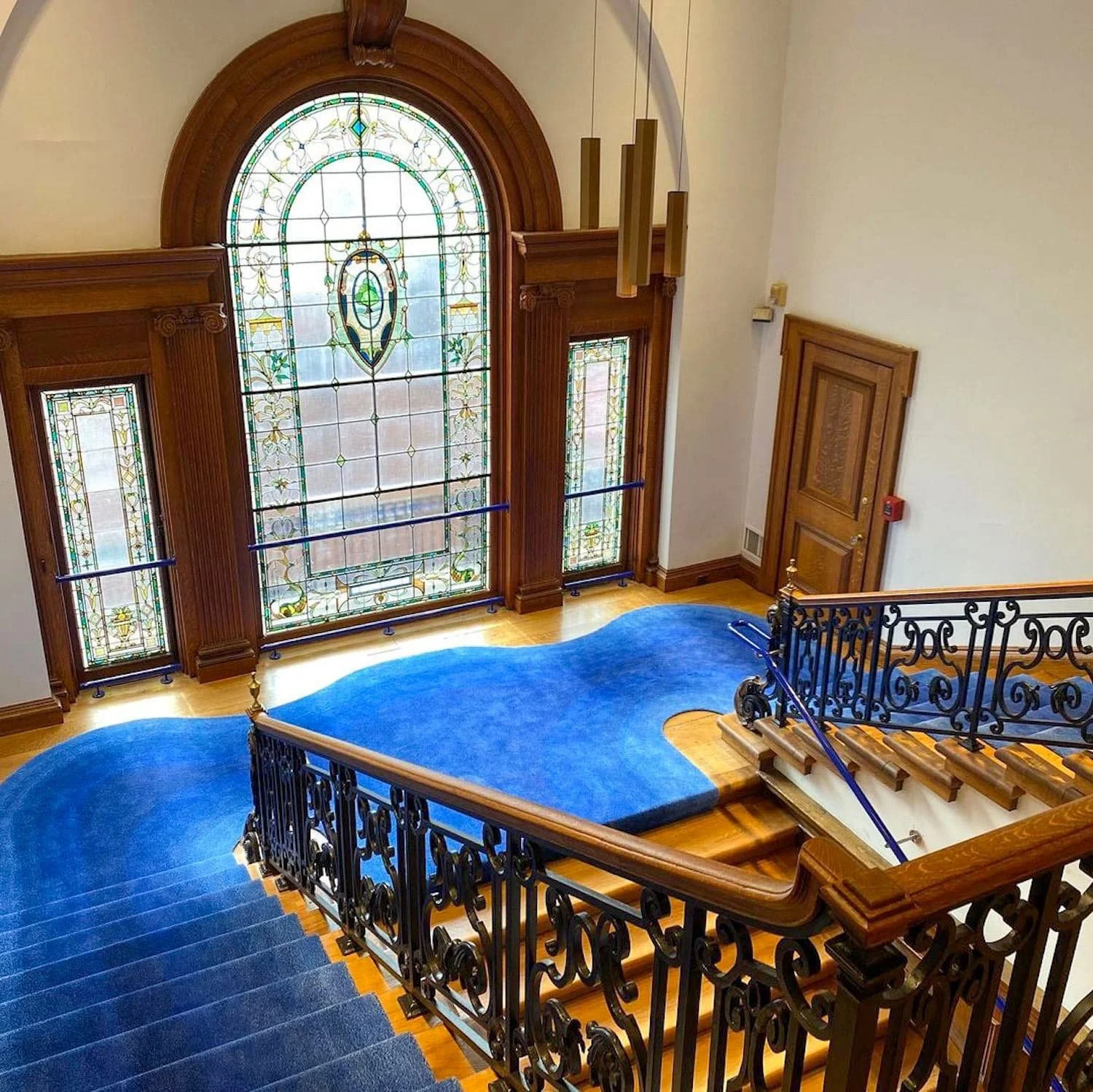
Great Museum Design Begins from the Ground Up
Museums are designed to tell stories.
Whether visitors are walking through a contemporary art gallery, history museum, a science center, or a cultural institution, every design element works together to shape the experience. Lighting directs attention. Architecture establishes atmosphere. Exhibits invite exploration.
The flooring quietly supports all of it.
Museum carpet is rarely chosen simply because it looks attractive. It must withstand thousands of visitors, complement priceless collections, reduce noise, and remain visually timeless for years to come. Unlike many commercial environments, the carpet should often enhance the space without becoming its focal point.
When specified thoughtfully, carpet becomes an important part of the visitor experience while meeting the demanding performance requirements of public institutions.
Museums Present Unique Flooring Challenges
Every commercial environment has different priorities.
Hotels often focus on guest comfort. Convention centers prioritize flexibility. Corporate offices emphasize professionalism.
Museums present many of the same performance challenges found in other commercial carpet applications, while introducing unique design considerations.
The flooring must support exhibits, accommodate changing installations, manage continuous public traffic, and contribute to an environment where visitors can comfortably spend hours exploring.
At the same time, maintenance, durability, and long-term appearance remain essential.
Few commercial environments ask flooring to perform so many roles simultaneously.
Supporting the Artwork, Not Competing with It
Museums and cultural institutions often prioritize flooring that supports exhibits without competing with them.
The carpet should complement the architecture and exhibits rather than draw attention away from them.
Designers often favor patterns and color palettes that create visual depth without overwhelming the surrounding environment. Texture, scale, and subtle movement can provide character while allowing artwork and exhibits to remain the primary focus.
This balance becomes especially important in galleries where visitors naturally spend more time observing displays than looking at the floor beneath them.
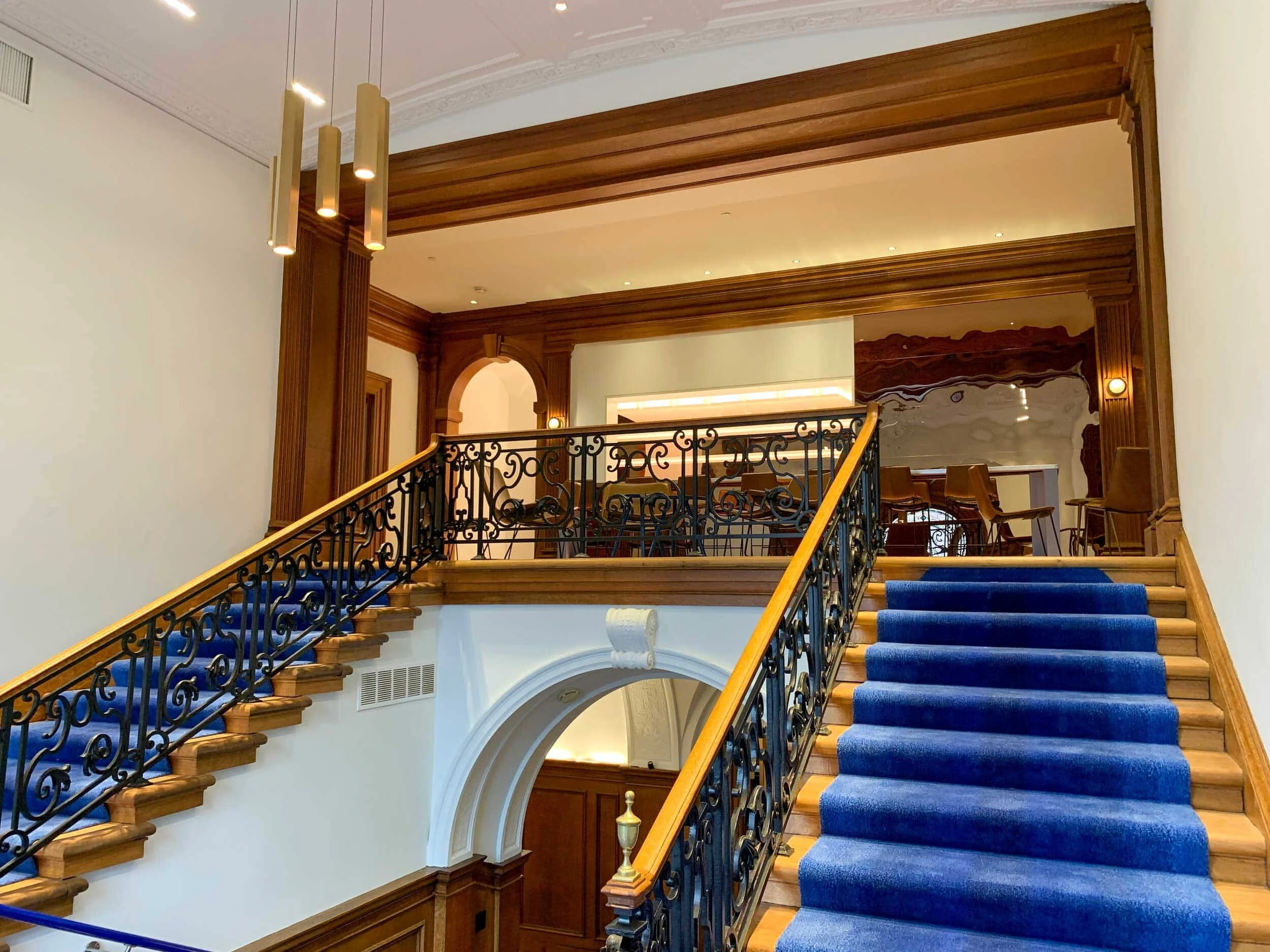
High Traffic Requires Long-Term Performance
Museums welcome a constant flow of visitors throughout the year.
School groups, guided tours, special exhibitions, community events, and daily guests all contribute to steady foot traffic across galleries, corridors, entrances, and gathering spaces.
Selecting museum carpet requires careful consideration of factors such as:
Appearance retention
Fiber performance
Pattern longevity
Maintenance requirements
Expected lifecycle
Visitor comfort
The objective is not simply to withstand traffic, but to continue presenting a clean, professional appearance that complements the institution's mission.
Acoustics Shape the Visitor Experience
Museums are often designed to encourage observation, conversation, and reflection.
Unlike many large public venues, quieter environments frequently enhance the overall experience.
Carpet naturally contributes to this objective by helping reduce footfall noise while softening sound within galleries, educational spaces, lecture halls, and exhibit areas.
The result is an environment where visitors can focus more easily on exhibits without unnecessary distractions.
Pattern Scale Matters More Than You Might Expect
Museum interiors vary tremendously.
Some galleries feature intimate exhibition spaces, while others contain soaring atriums, expansive circulation areas, and multifunction event spaces.
Pattern selection should respond to the scale of each environment.
When selecting large-scale carpet patterns, designers will evaluate:
Room proportions
Sightlines
Visitor circulation
Architectural features
Exhibit layouts
When these elements are considered together, carpet contributes to a more cohesive interior rather than simply covering the floor.
Planning for Rotating Exhibitions
Unlike many commercial buildings, museums continually evolve.
Temporary exhibitions arrive and depart. New collections are installed. Galleries are refreshed to keep the visitor experience engaging.
Because exhibits change, carpet should provide flexibility without becoming visually tied to a single installation or theme.
Timeless patterns and thoughtfully balanced color palettes often provide the greatest versatility while allowing future exhibitions to take center stage.
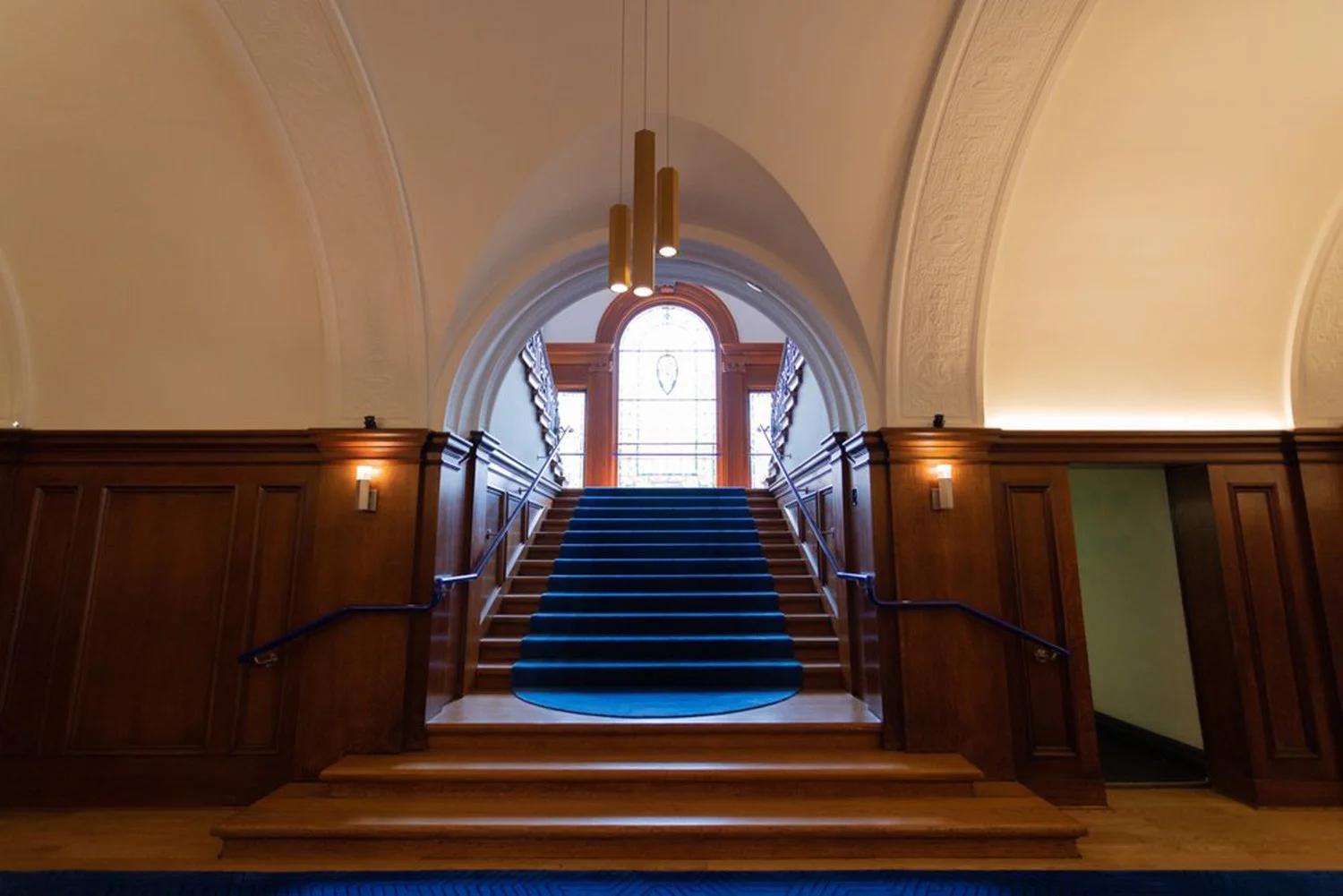
Long-Term Maintenance Matters
Beautiful carpet remains beautiful only when it can be maintained effectively.
Museums typically operate year-round, making regular cleaning and long-term appearance retention important considerations during specification.
Designers frequently evaluate how carpet will perform over years of continuous public use rather than focusing solely on installation day.
Choosing materials and patterns that support efficient maintenance can help preserve both aesthetics and operational efficiency.
Why Many Museums Choose Custom Carpet
Every successful museum flooring project begins with thoughtful custom carpet design that complements the surrounding exhibits.
Some celebrate local history. Others showcase fine art, science, technology, or cultural heritage.
Custom carpet allows flooring to support each institution's architectural vision while addressing the practical demands of high-traffic public spaces.
Depending on the project, custom Axminster carpet may be specified when intricate patterns and long-term appearance retention are priorities.
Designers can develop custom patterns, colors, and construction specifications that reinforce the museum's identity while balancing durability, maintenance, and long-term performance.
Flooring That Supports the Entire Experience
Visitors may not consciously remember the carpet beneath their feet.
They will remember how the museum felt.
Comfortable circulation, quiet galleries, cohesive interiors, and thoughtfully designed public spaces all contribute to an experience that encourages visitors to slow down, engage with exhibits, and return again.
When carpet is planned as part of the overall architectural vision, it quietly supports every step of that journey.
FAQs
-
Museums typically require commercial-grade carpet that combines durability, appearance retention, acoustic benefits, and long-term performance while complementing exhibits and architectural design.
-
Patterned carpet can help conceal everyday wear while adding visual texture without competing with exhibits. Appropriate pattern scale also contributes to wayfinding and spatial organization.
-
Yes. When specified with appropriate materials and construction methods, commercial carpet performs well in museums, galleries, educational spaces, and other high-traffic public environments.
-
Designers often select colors that complement architecture and exhibits while creating a timeless interior capable of accommodating future exhibitions and changing displays.
-
Absolutely. Custom carpet allows museums to coordinate flooring with the institution's architecture, branding, and visitor experience while meeting demanding performance requirements.
Final Thoughts
Convention centers ask more of their flooring than almost any other commercial environment. From exhibition halls and registration areas to meeting rooms and ballrooms, carpet must withstand continuous activity while contributing to the overall experience of every visitor who walks through the doors.
When design, durability, and long-term performance are considered together, custom commercial carpet becomes more than a finish underfoot—it becomes an integral part of how a convention center functions, performs, and presents itself for years to come.
Explore our commercial project portfolio to see custom carpet installations across hospitality and public environments.

Royal American Carpets designs and manufactures custom high-end carpets and rugs for hotels, clubs, residences, and beyond. Crafted to last, built to impress.
SECTORS SERVED: