Contents
Wool vs Nylon in Axminster Carpet: Performance & Durability
Axminster construction has long been regarded as one of the most durable and design-capable woven carpet systems in commercial interiors. But within Axminster, fiber selection dramatically affects performance, appearance retention, maintenance cycles, and long-term lifecycle value.
For specifiers working in hospitality, country clubs, gaming environments, and other high-traffic commercial settings, the decision often comes down to two primary options:
80/20 wool Axminster
Solution-dyed nylon Axminster
Understanding how each performs under real-world conditions is essential for making informed material decisions.
Why Fiber Selection Matters in Axminster Construction
Axminster weaving mechanically locks yarn into a backing system, creating exceptional pattern definition and structural integrity. However, the performance profile of the finished carpet is heavily influenced by the fiber type.
Fiber determines:
Wear resistance
Resiliency under foot traffic
Stain resistance
Moisture tolerance
Colorfastness
Maintenance requirements
Long-term appearance retention
While the weaving method provides structural durability, the fiber determines how that structure behaves over time.
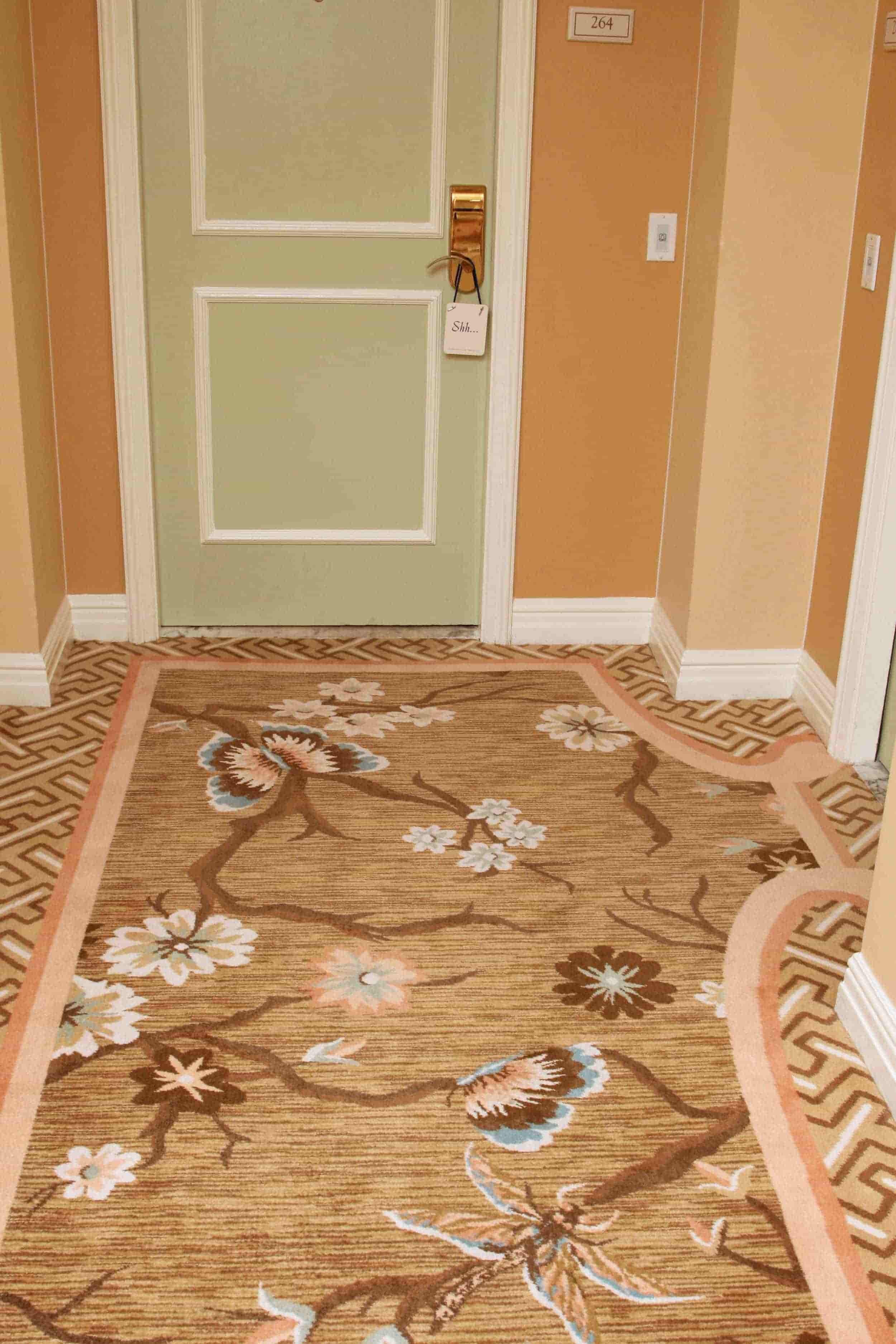
80/20 Wool Axminster: Performance, Aesthetics, and Lifecycle in Hospitality
Composition Overview
80/20 wool woven Axminster construction typically consists of:
80% New Zealand wool
20% nylon reinforcement
This blend has been a benchmark in luxury hospitality environments for decades.
Performance Characteristics
1. Natural Resilience
Wool fiber has a natural crimp structure, allowing it to spring back after compression. In hotel corridors and guest rooms, this resilience helps maintain surface appearance over time.
2. Flame Resistance
Wool is inherently flame resistant without chemical treatment. For hospitality projects requiring compliance with fire codes, this can be advantageous.
3. Soil Hiding & Aesthetic Depth
Wool accepts dye exceptionally well, producing rich color saturation and dimensional depth in woven patterns.
4. Moisture Regulation
Wool can absorb moisture vapor without feeling damp, contributing to comfort and acoustic softness.
Considerations
While highly regarded, 80/20 wool Axminster does have considerations:
Higher material cost
Greater sensitivity to prolonged moisture exposure
More maintenance discipline required in food and beverage environments
In controlled hospitality settings—such as luxury guest rooms, suites, and private club interiors—80/20 wool remains a premium specification choice.
Explore how this construction is commonly used in our luxury hotel carpeting projects.
Solution-Dyed Nylon Axminster: Durability and Maintenance in Commercial Interiors
Solution-dyed nylon Axminster has gained significant traction in recent years, particularly in high-traffic commercial environments.
What Is Solution-Dyed Nylon?
Unlike traditional piece-dyed yarn, solution-dyed nylon incorporates color pigment directly into the polymer before extrusion. This means the color penetrates the entire fiber rather than coating the surface.
The result is enhanced:
Fade resistance
Bleach resistance
Stain resistance
Cleanability
Performance Advantages
1. Superior Stain Resistance
Because color is embedded throughout the fiber, solution-dyed nylon performs well in restaurants, casinos, and busy corridors where spills are common.
2. Colorfastness Under UV Exposure
In lobbies with significant natural light, solution-dyed nylon maintains color integrity longer than many alternative fibers.
3. High Abrasion Resistance
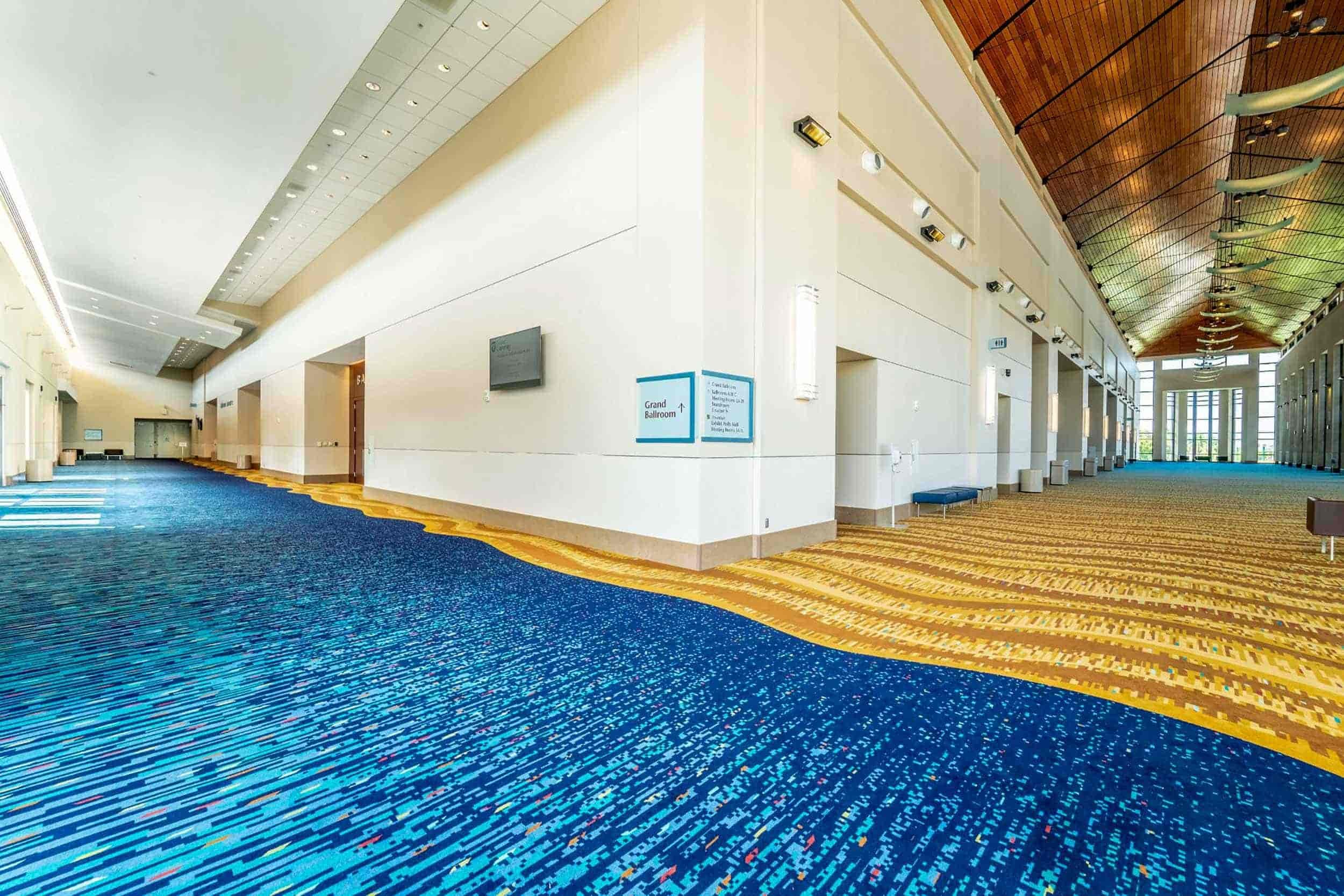
Nylon is engineered for toughness. In extremely high-traffic areas—ballrooms, convention centers, gaming floors—it often outperforms wool-heavy blends in long-term wear testing.
4. Lower Moisture Sensitivity
Nylon does not absorb moisture the way wool does, making it suitable for environments with variable humidity.
When It Makes Sense
Solution-dyed nylon Axminster is often specified for:
Casino corridors
Convention centers
Airport lounges
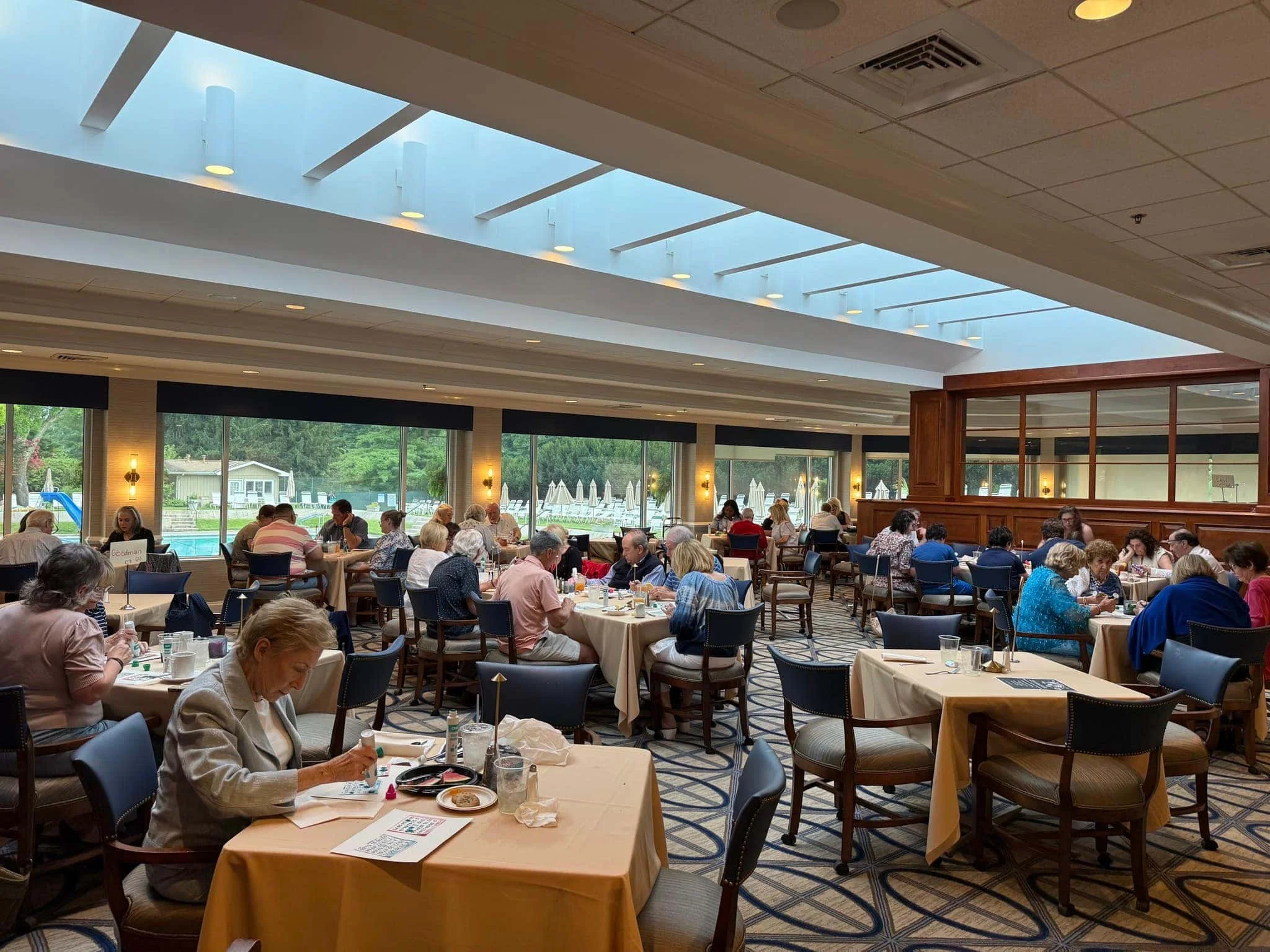
Restaurant dining areas
High-volume hospitality corridors
Performance Comparison Snapshot
QUICK REFERENCE COMPARISON
The following table outlines how 80/20 wool Axminster and solution-dyed nylon Axminster compare across key commercial performance metrics.
| Performance Factor | 80/20 Wool Axminster | Solution-Dyed Nylon Axminster |
|---|---|---|
| Resiliency Under Foot Traffic | Excellent natural resilience from wool fiber crimp structure | Very good engineered resiliency with strong recovery properties |
| Stain Resistance | Moderate; requires disciplined maintenance | Excellent; pigment integrated throughout fiber |
| Fade & UV Resistance | Very good color retention | Excellent long-term colorfastness |
| Abrasion Resistance | Very good performance in luxury hospitality settings | Excellent performance in extreme high-traffic environments |
| Moisture Tolerance | Moderate; absorbs vapor but sensitive to prolonged saturation | High; low moisture absorption |
| Aesthetic Depth & Texture | Exceptional richness and natural visual warmth | Clean, consistent pattern clarity |
| Typical Applications | Luxury hotels, private clubs, convention centers, refined corridors | Dining rooms, heavy F&B areas, high-cleaning environments |
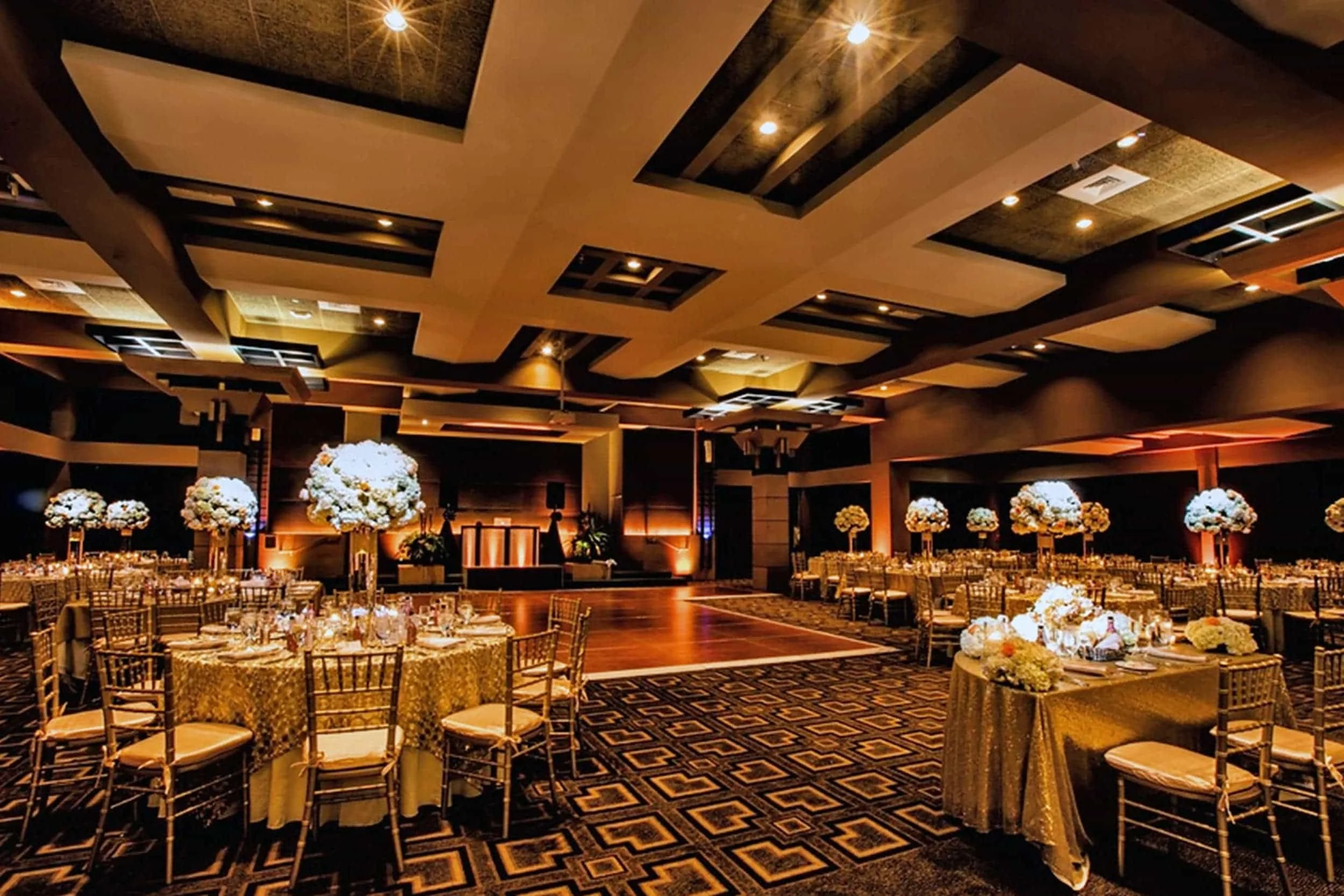
While both 80/20 wool and solution-dyed nylon are specified in large convention and hotel environments, design intent, cleaning protocols, and exposure conditions often drive the fiber choice rather than convention type alone.
Durability in Real-World Hospitality Applications
Durability is rarely about fiber alone. It involves:
Construction density (rows per inch)
Pile weight
Pattern scale
Installation method
Maintenance protocol
For example, a 7-row woven construction with high stitch density can significantly enhance performance regardless of fiber choice. Detailed construction metrics for a standard 7-row Axminster configuration can be reviewed in our technical specification sheet.
In many luxury hospitality projects, specifiers evaluate both:
Fiber composition
Construction density
before making a final decision.
If you’re evaluating performance metrics, our resource on carpet density in commercial applications provides further technical context.
Maintenance Implications
Maintenance strategy often drives fiber choice.
Wool-Heavy Woven Commercial Carpet
Requires neutral pH cleaning agents
Sensitive to harsh chemicals
Benefits from scheduled professional maintenance
Solution-Dyed Woven Commercial Carpet
More forgiving with cleaning agents
Performs well with periodic hot water extraction
Handles higher traffic with fewer appearance concerns
Operators in large hospitality environments frequently evaluate lifecycle cleaning cost alongside initial material investment.
Environmental & Sustainability Considerations
Wool is renewable and biodegradable. It carries strong sustainability appeal in projects pursuing environmentally conscious design strategies.
Solution-dyed nylon, while synthetic, reduces water usage in the dyeing process and often offers extended lifecycle performance, reducing replacement frequency.
Sustainability decisions are often nuanced and project-specific rather than fiber-exclusive.
How to Choose the Right Fiber for Your Project
The appropriate specification depends on:
Traffic intensity
Food and beverage exposure
Natural light conditions
Brand positioning
Maintenance capabilities
Budget allocation
In high-end boutique hospitality environments, 80/20 wool Axminster may align best with brand positioning.
In convention-scale or gaming environments, solution-dyed nylon Axminster may provide superior lifecycle economics.
In mixed-use hospitality projects, a wool-nylon carpet blend often delivers the optimal balance.
For guidance on specifying patterns and layout, see our article on pattern scaling in large commercial interiors.
FAQs
-
80/20 wool Axminster carpet is a woven construction made with approximately 80% wool and 20% nylon reinforcement. The wool provides natural resilience and rich color depth, while the nylon increases tensile strength and abrasion resistance in commercial environments.
-
It depends on the operational demands of the space. Wool offers natural resilience and a refined aesthetic, while solution-dyed nylon provides superior stain resistance and durability in extremely high-traffic areas such as corridors, gaming floors, and restaurants.
-
Solution-dyed nylon Axminster carpet uses fiber that is colored during the polymer stage rather than dyed after extrusion. This results in enhanced stain resistance, bleach resistance, and long-term colorfastness in demanding commercial settings.
-
Yes. A wool-nylon carpet blend combines wool’s natural resilience with nylon’s engineered strength. This balance often improves abrasion resistance and lifecycle performance compared to wool-only constructions. In commercial practice, 80/20 is the most common wool-nylon blend ratio in Axminster carpet, though other ratios may be engineered for specific performance outcomes.
-
Hotel corridors typically experience heavy rolling traffic and frequent cleaning. Solution-dyed nylon Axminster often performs exceptionally well in these areas due to its stain resistance and durability, though 80/20 wool blends are still widely specified in luxury hospitality environments.
-
Wool is a renewable and biodegradable fiber, which may support sustainability goals. However, solution-dyed nylon can offer extended lifecycle performance and reduced water usage during manufacturing, making sustainability comparisons project-specific.
-
Yes. Wool requires neutral pH cleaning solutions and disciplined maintenance protocols, while solution-dyed nylon is generally more forgiving with cleaning agents and high-traffic cleaning cycles.
-
Solution-dyed nylon typically offers superior colorfastness under prolonged UV exposure because pigment is integrated throughout the fiber during extrusion. While wool maintains strong color depth, solution-dyed nylon generally performs better in areas with significant natural light.
-
80/20 wool Axminster generally requires more disciplined maintenance, including neutral pH cleaning agents and controlled moisture exposure. Solution-dyed nylon is typically more tolerant of aggressive cleaning cycles in high-traffic commercial environments.
Final Considerations for Specifiers
Fiber selection should never be isolated from construction. The woven structure of Axminster provides the foundation, but fiber determines how that foundation performs under operational stress.
When evaluating 80/20 wool Axminster or solution-dyed nylon Axminster, consider:
Total lifecycle cost
Traffic patterns
Cleaning protocols
Desired aesthetic depth
Environmental exposure
In woven hospitality flooring, fiber selection is not about choosing a “better” material — it is about aligning performance characteristics with the operational demands of the space. Understanding these distinctions allows architects and designers to specify Axminster carpet with clarity and confidence.

Royal American Carpets designs and manufactures custom high-end carpets and rugs for hotels, clubs, residences, and beyond. Crafted to last, built to impress.
SECTORS SERVED: