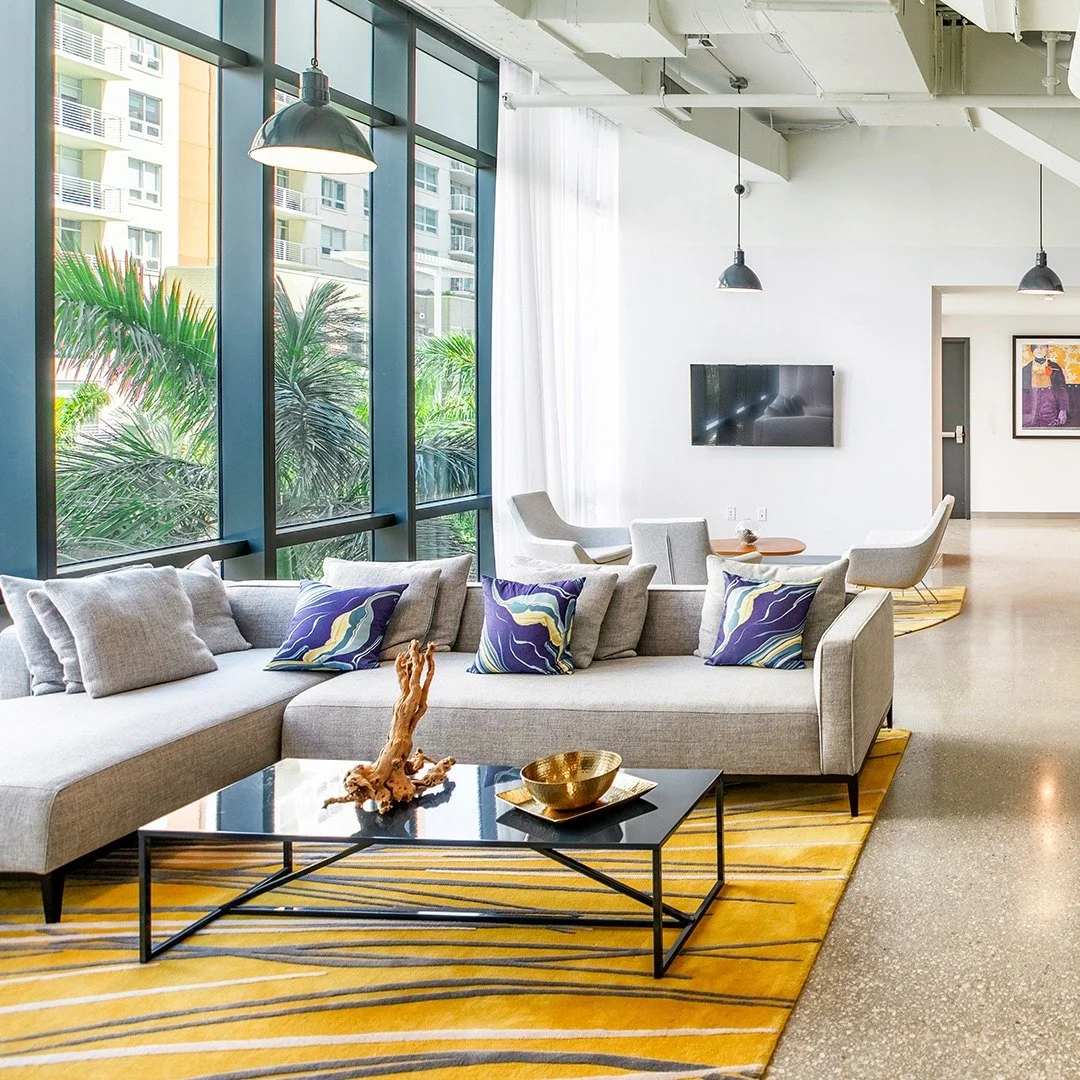
In commercial and hospitality environments, a rug is never just a decorative layer. It defines circulation, absorbs sound, anchors furniture, and quietly communicates quality. Get the shape or size wrong, and even the most beautifully designed space can feel disjointed, awkward, or underwhelming.
Choosing the right rug dimensions and layout is especially critical in high-traffic settings, where performance and proportion must work together. Here’s how to approach rug shape and sizing with intention—whether you’re designing a lobby, restaurant, club, or shared amenity space.
Why Scale Matters More in Commercial Settings
Unlike residential spaces, commercial interiors operate at a different visual and functional scale. Ceilings are higher, footprints are larger, and traffic patterns are more complex. A rug that feels generous in a home can look undersized in a lobby or disappear beneath oversized furniture.
In hospitality spaces, rugs should feel purposeful—not like an afterthought. Proper scale helps:
Define zones within open floor plans
Guide guest movement naturally
Anchor furniture groupings
Improve acoustics and comfort
Reinforce a sense of luxury and cohesion

Matching Rug Shape to the Space
Rectangular Rugs: The Workhorse of Commercial Design
Rectangular rugs are the most versatile option and work particularly well in corridors, seating groupings, dining layouts, and under long tables. In high-traffic areas, they help visually organize space while accommodating predictable foot paths.
Best uses include:
Corridor transitions between zones
Square Rugs: Creating Balance in Open Areas
Square rugs are ideal for symmetrical layouts or spaces where seating is arranged evenly around a central point. They work well in lounges, waiting areas, and club seating zones.
A square rug can bring a sense of calm and order to large, open spaces—especially when furniture placement mirrors the rug’s geometry.
Round and Organic Shapes: Softening High-Traffic Interiors
Curved or round rugs can soften rigid architectural lines and add visual interest in spaces dominated by straight angles. These shapes work particularly well in reception areas, cocktail lounges, and informal gathering spaces.
When used thoughtfully, they can slow visual movement and encourage guests to linger.
For spaces where custom design and texture are as important as proportion and scale, Hand-Tufted rug options offer unmatched versatility and craftsmanship.

Sizing Rules That Designers Swear By
Anchor the Furniture—Don’t Float It
In commercial settings, rugs should almost always sit under furniture rather than in front of it. A rug that floats independently tends to feel undersized and disconnected.
A good rule of thumb:
Front legs of seating should rest fully on the rug
Tables should sit comfortably within the rug’s perimeter
Chairs should remain on the rug even when pulled out
Leave Intentional Border Space
While residential rugs often leave generous floor exposure, commercial rugs typically benefit from a more expansive footprint. Narrow borders can make a space feel tight or accidental.
Aim for visual breathing room without shrinking the rug so much that it loses impact.
Think in Zones, Not Rooms
In large hospitality interiors, rugs are best used to define functional zones rather than fill entire rooms. A single space may require multiple rugs, each reinforcing how guests use the environment.

Designing for Traffic Flow
High-traffic environments demand more than good proportions. Rug placement should anticipate how people move through the space.
Key considerations:
Avoid placing seams or edges directly in primary walking paths
Ensure entries and transitions are fully covered
Use elongated shapes to guide movement naturally
Select layouts that minimize corner curl and edge wear
Proper sizing reduces trip hazards and extends the life of the rug—both critical factors in commercial applications.
Common Sizing Mistakes to Avoid
Even experienced designers sometimes fall into these traps:
Choosing a rug that’s visually striking but too small
Using residential proportions in commercial spaces
Ignoring chair clearance in dining environments
Letting furniture “hover” around the rug instead of anchoring it
Treating rugs as decorative accents rather than functional design elements
In high-traffic spaces, these missteps are immediately noticeable.
When Custom Sizing Makes the Difference
Standard rug dimensions often fall short in commercial interiors. Columns, curved walls, built-in seating, and unique layouts rarely align with off-the-shelf proportions.
Custom sizing allows designers to:
Perfectly match architectural features
Eliminate awkward gaps
Maximize coverage in high-traffic zones
Create seamless visual transitions
For hospitality projects where first impressions matter, the right dimensions can elevate the entire space.

FAQs
-
In high-traffic environments, area rugs should be large enough to anchor all major furniture and accommodate circulation paths. A rug that’s too small will feel disconnected and wear unevenly under constant foot traffic.
-
Yes. In commercial settings, area rugs should sit beneath furniture rather than float in front of it. This creates visual cohesion, improves stability, and prevents shifting caused by frequent use.
-
Area rugs work very well in hotel lobbies and public spaces when sized correctly. They help define seating zones, reduce noise, and add warmth without interrupting circulation or safety.
-
In commercial spaces, visible floor borders should feel intentional rather than excessive. Narrow borders are common, but rugs should still provide enough coverage to prevent furniture from sitting partially off the rug.
-
Yes. Area rugs help absorb sound, reduce echo, and soften ambient noise—especially in lobbies, lounges, restaurants, and meeting areas with hard surfaces.
-
Rectangular rugs are the most versatile for open layouts, while square rugs work well in symmetrical seating areas. Rounded shapes can soften rigid architectural lines in reception or lounge spaces.
-
Proper sizing, secure backing, and strategic placement are key. Area rugs should fully cover walking paths and avoid exposed edges in primary circulation zones.
-
Custom sizing is often necessary in commercial spaces with unusual layouts, curved walls, built-in seating, or large footprints. Standard sizes rarely align perfectly with architectural conditions.
-
Yes. Using multiple area rugs is common in large spaces to define different zones, such as seating areas, waiting areas, or dining sections, without breaking visual continuity.
-
Through scale, placement, and pattern integration, area rugs help reinforce brand aesthetics, guide guest movement, and create memorable first impressions.
Final Thoughts
In commercial and hospitality environments, rug shape and size are as important as pattern and color. Thoughtful proportions support circulation, enhance comfort, and help spaces feel intentional rather than improvised.
When rugs are sized and shaped correctly, they don’t just sit on the floor—they quietly organize the entire room.

Royal American Carpets designs and manufactures custom high-end carpets and rugs for hotels, clubs, residences, and beyond. Crafted to last, built to impress.
SECTORS SERVED: