The Hidden ROI of Quality Rugs in Hospitality and Public Spaces
Why Rug Selection Impacts More Than Design
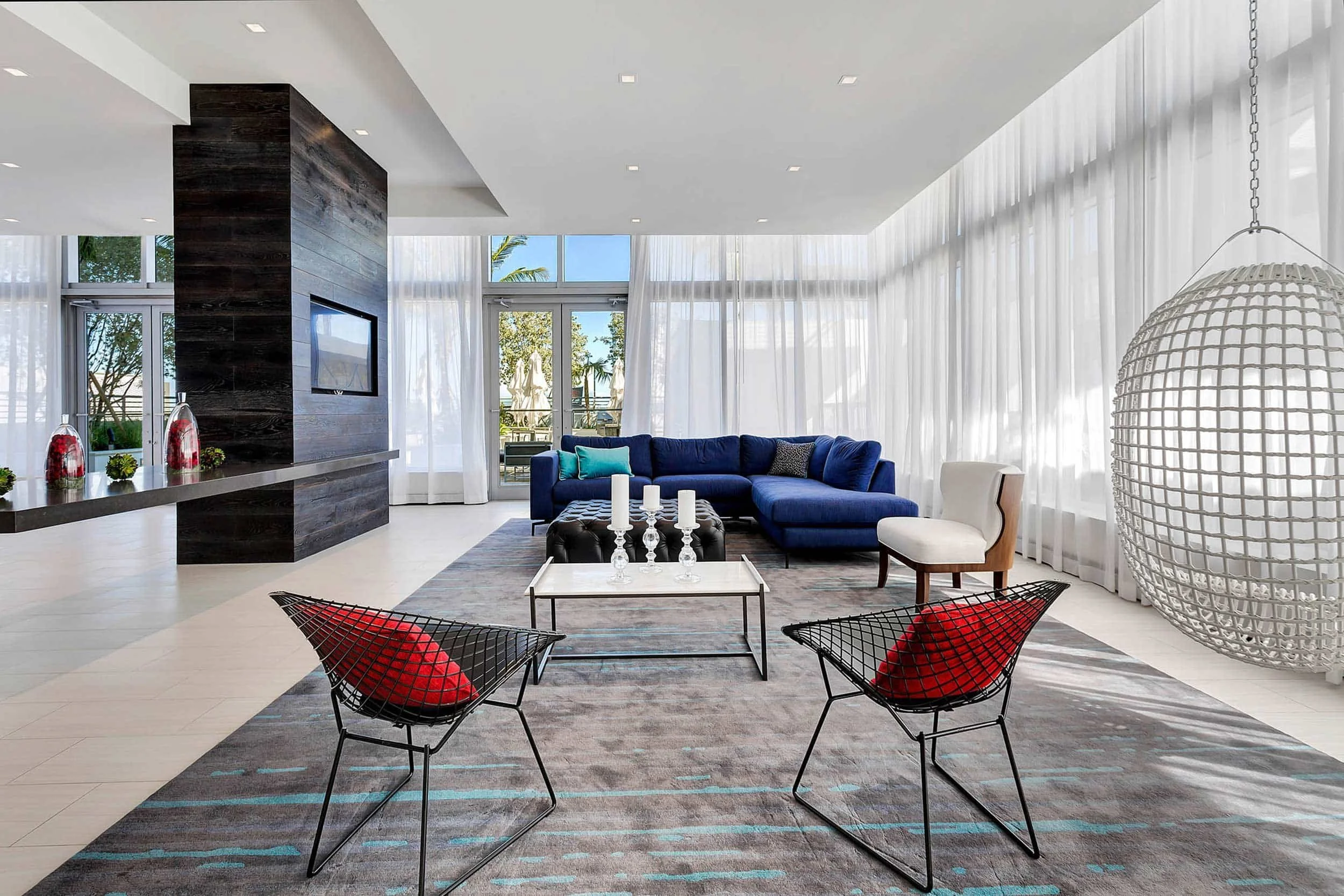
In hospitality and public environments, rugs are often viewed through a design lens first. Pattern, color, texture, and scale all shape the atmosphere of a space. But behind the visual impact is another factor that matters just as much over time: performance.
A well-designed rug that fails prematurely creates more than a maintenance issue. It affects operations, replacement schedules, guest perception, and the overall longevity of the space itself.
That is where the real return on investment begins to take shape.
Understanding ROI Beyond Initial Cost
When evaluating rugs for commercial environments, it is easy to focus on upfront pricing. In practice, the long-term value of a rug is often far more important than the initial number attached to it.
A lower-cost rug that quickly shows wear can lead to:
Earlier replacement cycles
Increased maintenance demands
Operational disruption during replacement
A higher-quality rug may require a greater upfront investment, but in high-traffic environments, durability and appearance retention can significantly extend usable lifespan.
The result is often a lower long-term cost over the life of the installation.
Why Durability Directly Affects Operational Costs
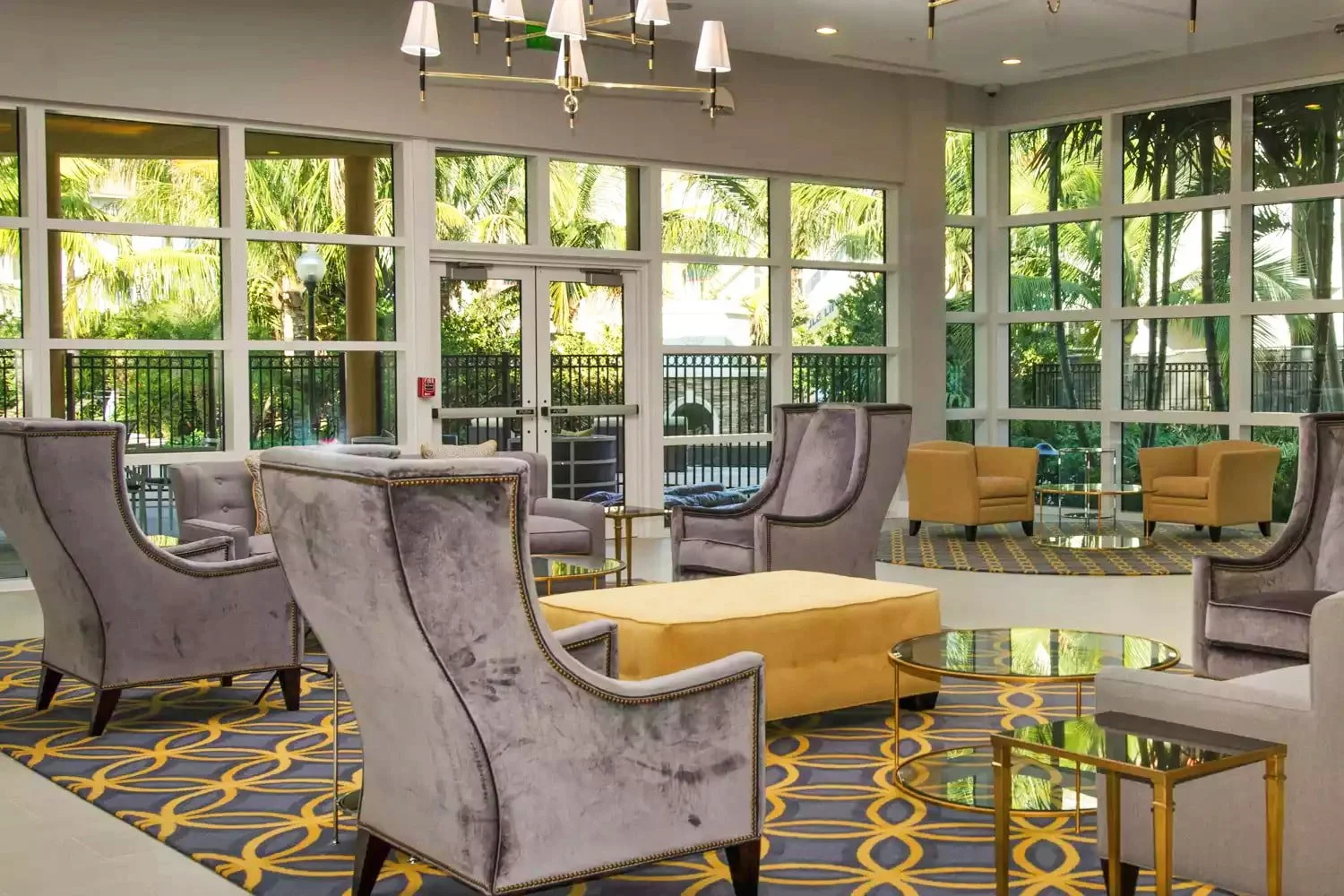
In hospitality environments, flooring experiences constant use.
Hotel lobbies, corridors, lounges, meeting spaces, and public circulation areas are exposed to:
Continuous foot traffic
Furniture movement
Cleaning equipment and maintenance cycles
When rugs are not properly designed for these conditions, deterioration becomes visible quickly.
Appearance loss does not just impact the rug itself. It affects how the entire environment is perceived.
This is one reason high-quality rugs are frequently specified in hospitality and luxury public spaces where long-term appearance matters.
Appearance Retention and Guest Perception
Guests may not consciously analyze flooring, but they absolutely notice when a space feels worn.
A rug that maintains:
Color consistency
Texture definition
Structural integrity
helps preserve the overall experience of the environment.
Pattern and color variation can also help visually conceal traffic patterns and wear over time, particularly in large public spaces where usage levels are high.
In hospitality settings, maintaining visual consistency across heavily used areas can have a meaningful impact on how a property is perceived.
Construction Quality Matters More Than Most People Realize
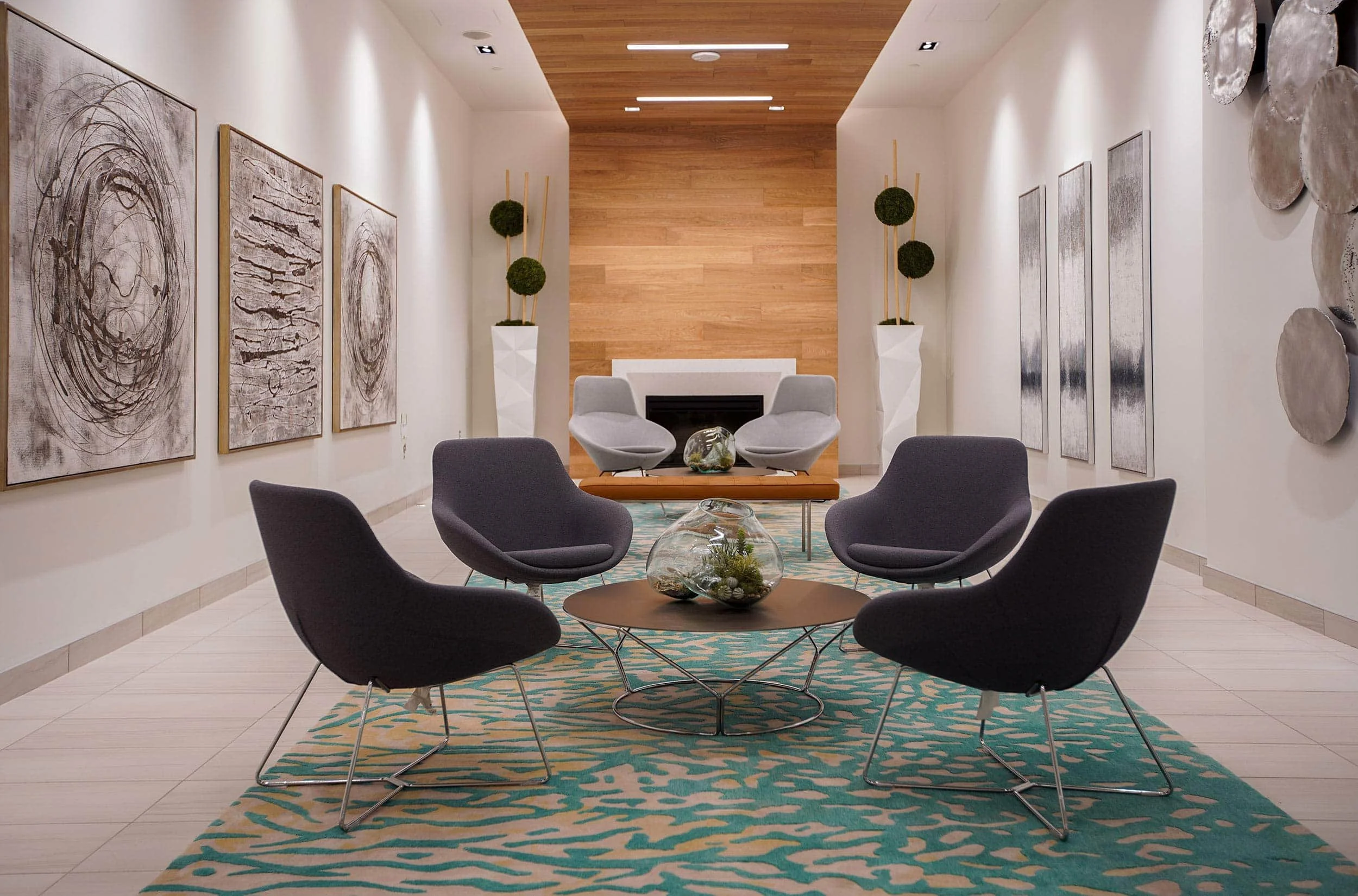
Durability is rarely the result of one single feature. Construction, density, backing systems, and fiber selection all work together to determine how a rug performs over time.
In many hospitality and commercial applications, hand-tufted rugs are engineered with dense construction and reinforced backing systems to support heavy use while maintaining design flexibility.
This balance between performance and customization is one of the reasons quality rugs made durable for high-traffic areas continue to play a major role in hospitality interiors.
Maintenance Efficiency Is Part of the Equation
Long-term value is not only about lifespan. It is also about how efficiently a rug can be maintained over time.
Higher-quality constructions often:
Respond better to routine maintenance
Maintain appearance longer between cleanings
Resist visible wear more effectively
This helps stabilize maintenance expectations and supports a more consistent presentation of the space.
In high-traffic environments, those operational advantages become increasingly important over time.
Where Quality Rugs Deliver the Most Value
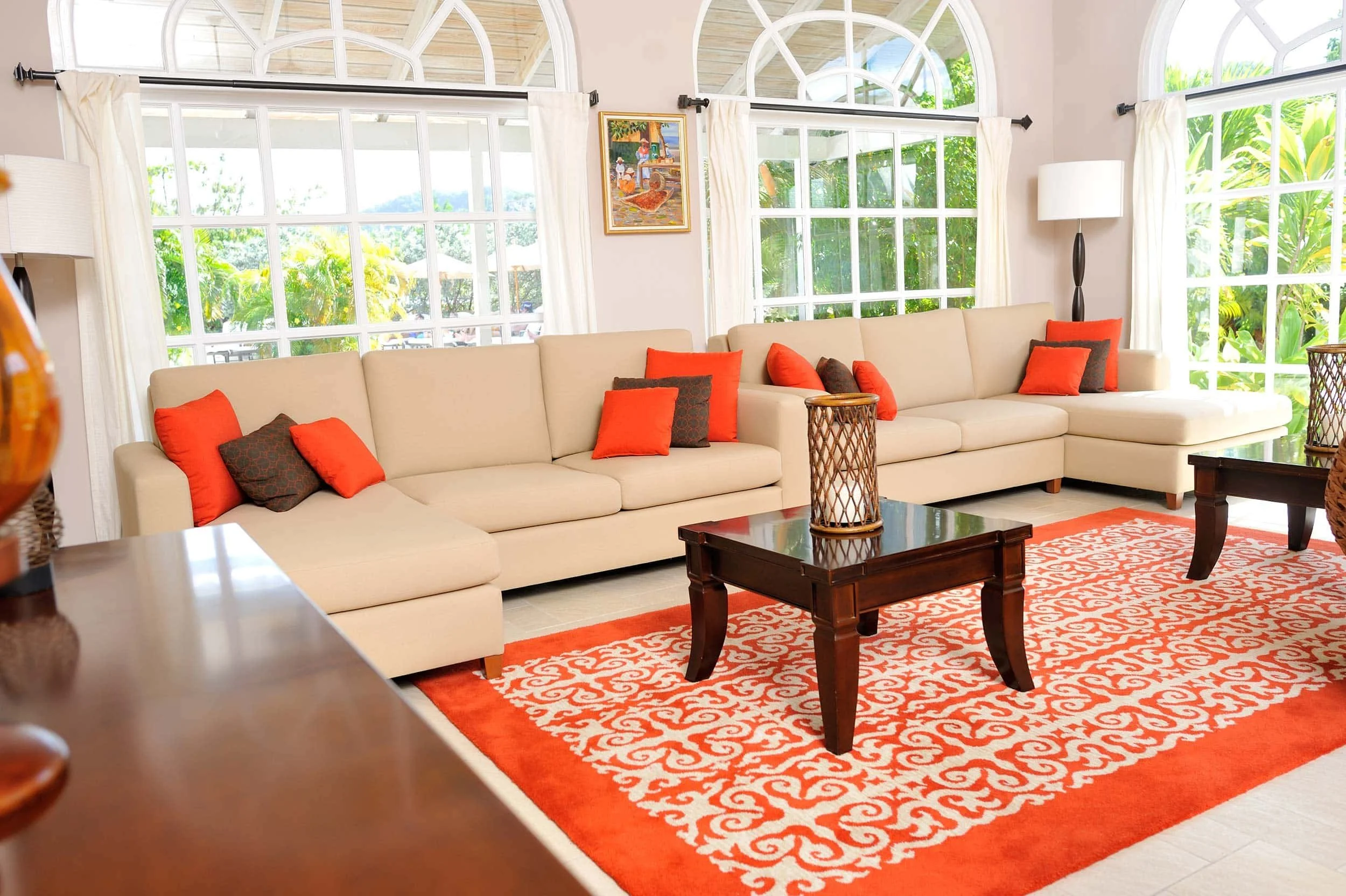
Not every space requires the same level of performance. The environments that benefit most from higher-quality rugs typically include:
Hotel lobbies and lounges
Public circulation areas
Meeting and gathering spaces
Ballrooms
Luxury residential interiors with heavy daily use
These are areas where durability, appearance retention, and overall guest perception all intersect.
Why Hospitality Designers Continue to Prioritize Quality Rugs
Designers and specifiers are often balancing aesthetics, performance, and operational realities at the same time.
Quality rugs allow them to:
Introduce scale, texture, and visual identity
Support long-term durability goals
Maintain consistency throughout high-use environments
In many cases, the long-term value of the rug becomes just as important as the initial design intent. In large public environments, scale and pattern proportion also play a major role in how the flooring interacts with the architecture of the space.
FAQs
-
High-quality rugs help maintain appearance, durability, and guest perception in high-traffic environments such as hotel lobbies, lounges, and public areas.
-
Yes. Rugs designed for heavy traffic often maintain their appearance longer and reduce the need for premature replacement.
-
Yes. When properly engineered with appropriate density, backing systems, and fiber selection, hand-tufted rugs can perform well in commercial and hospitality environments.
-
Construction quality, density, fiber selection, maintenance practices, and the level of traffic all influence long-term performance.
-
Yes. Pattern variation, texture, and color distribution can help reduce the visibility of traffic patterns and appearance changes in heavily used spaces.
Final Thoughts
The value of a rug is rarely measured on installation day.
In hospitality and public spaces, the real return on investment becomes visible over time through durability, appearance retention, maintenance efficiency, and overall guest perception.
When quality and construction are properly aligned with the demands of the environment, rugs become more than decorative elements. They become long-term contributors to the performance and identity of the space itself.

Royal American Carpets designs and manufactures custom high-end carpets and rugs for hotels, clubs, residences, and beyond. Crafted to last, built to impress.
SECTORS SERVED: