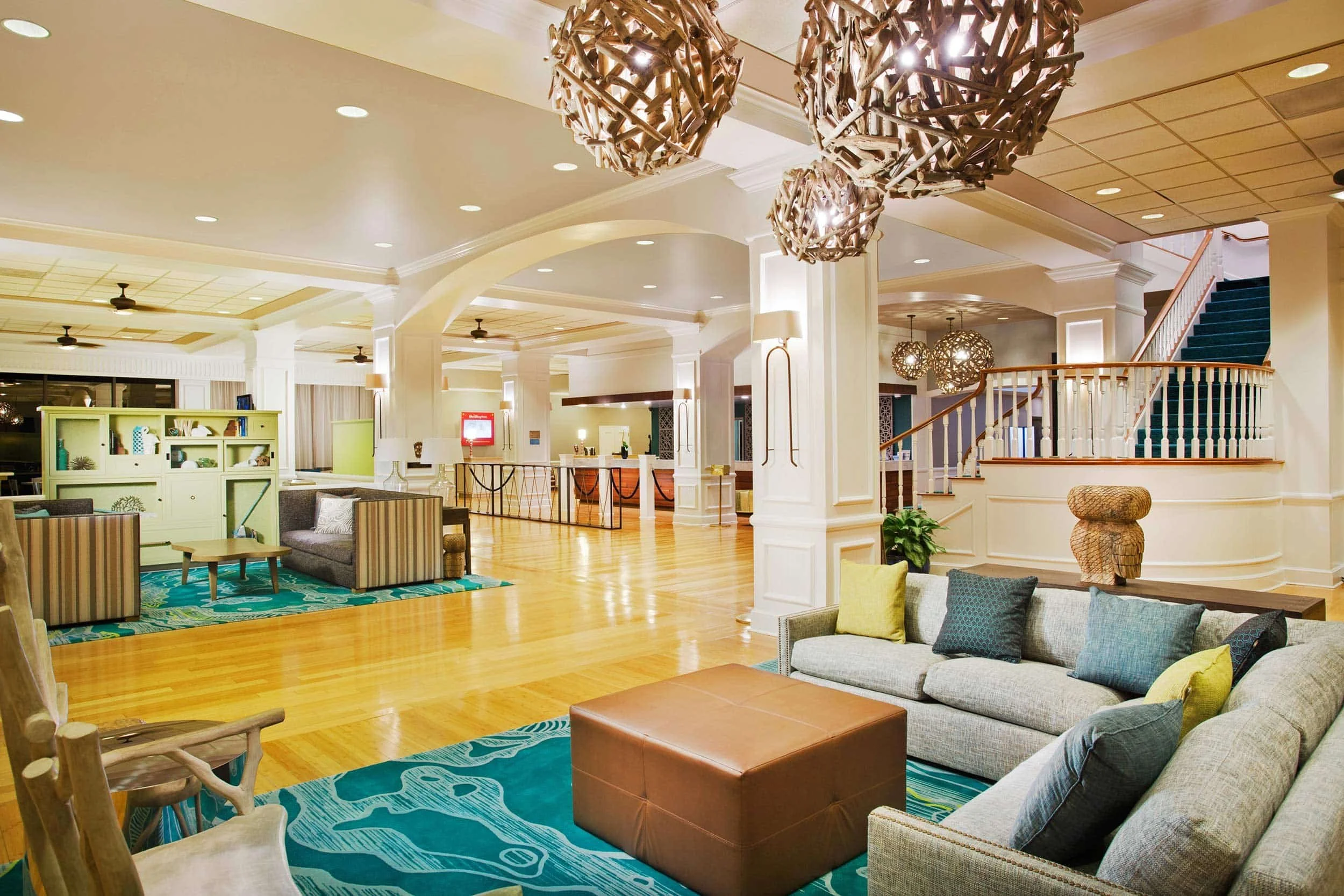
Why Some Rugs Last and Others Don’t
Not all rugs are designed to handle the same level of use. In high-traffic environments, whether it’s a hotel lobby, a restaurant dining room, or a busy residential entry, durability becomes less about appearance and more about construction.
A rug that looks great on day one but quickly shows wear creates a problem. It affects the overall space, disrupts maintenance planning, and often leads to premature replacement.
Understanding what actually drives durability helps avoid that outcome.
What “Durability” Really Means in Rug Performance
Durability is often used as a catch-all term, but in practice it comes down to a few specific factors.
A durable rug is one that:
Maintains its structure under repeated use
Resists crushing and matting
Holds its pattern and color over time
In high-traffic environments, all three need to work together. If one fails, the rug begins to show wear quickly.
Construction: The Foundation of Performance
The way a rug is made plays a major role in how it performs.
Construction methods influence:
How tightly fibers are held in place
How the surface reacts to pressure
How well the rug recovers after use
In many commercial and hospitality applications, hand-tufted rugs are engineered with dense construction and reinforced backing systems to perform reliably in high-traffic environments. This is particularly important in areas with continuous foot traffic or rolling loads.
In residential settings, especially in entryways, hallways, and living areas, similar principles apply. The difference is not the type of use, but the frequency and intensity.
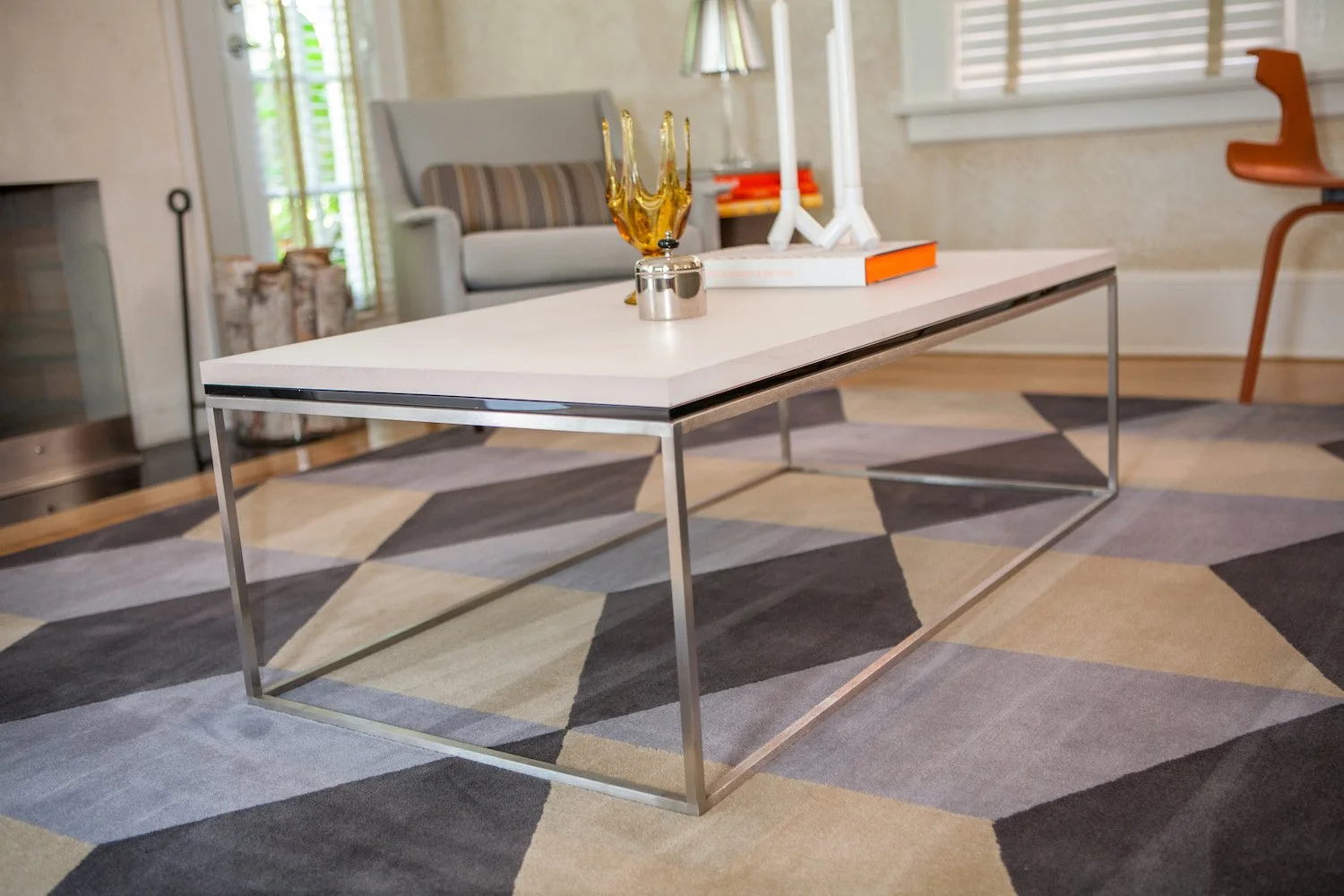
Fiber Selection and Its Impact on Wear
Fiber type is another key factor.
In high-traffic environments, fibers must be able to:
Resist abrasion
Maintain their shape
Recover after compression
Wool and high-performance synthetics are commonly used for this reason. Each has its own strengths, but both can perform well when paired with the right construction.
This is especially important in hand-tufted constructions, where fiber selection and density work together to determine how the rug performs over time.
The key is not just the fiber itself, but how it is used within the overall rug system.
Density and Weight: Why They Matter
Density refers to how much material is packed into a given area. In simple terms, denser rugs tend to perform better in high-traffic environments.
Higher density:
Provides a more stable surface
Reduces visible wear patterns
Helps maintain overall appearance
Weight often correlates with density, but it is not the only indicator. A heavier rug is not always more durable, but in many commercial applications, increased density supports longer-term performance.
Backing and Stability
What sits beneath the surface is just as important as what you see.
A well-constructed backing system:
Keeps the rug stable under movement
Prevents distortion over time
Supports the overall structure of the rug
In commercial settings, especially in large installations or loose-laid area rugs, backing plays a critical role in maintaining performance.
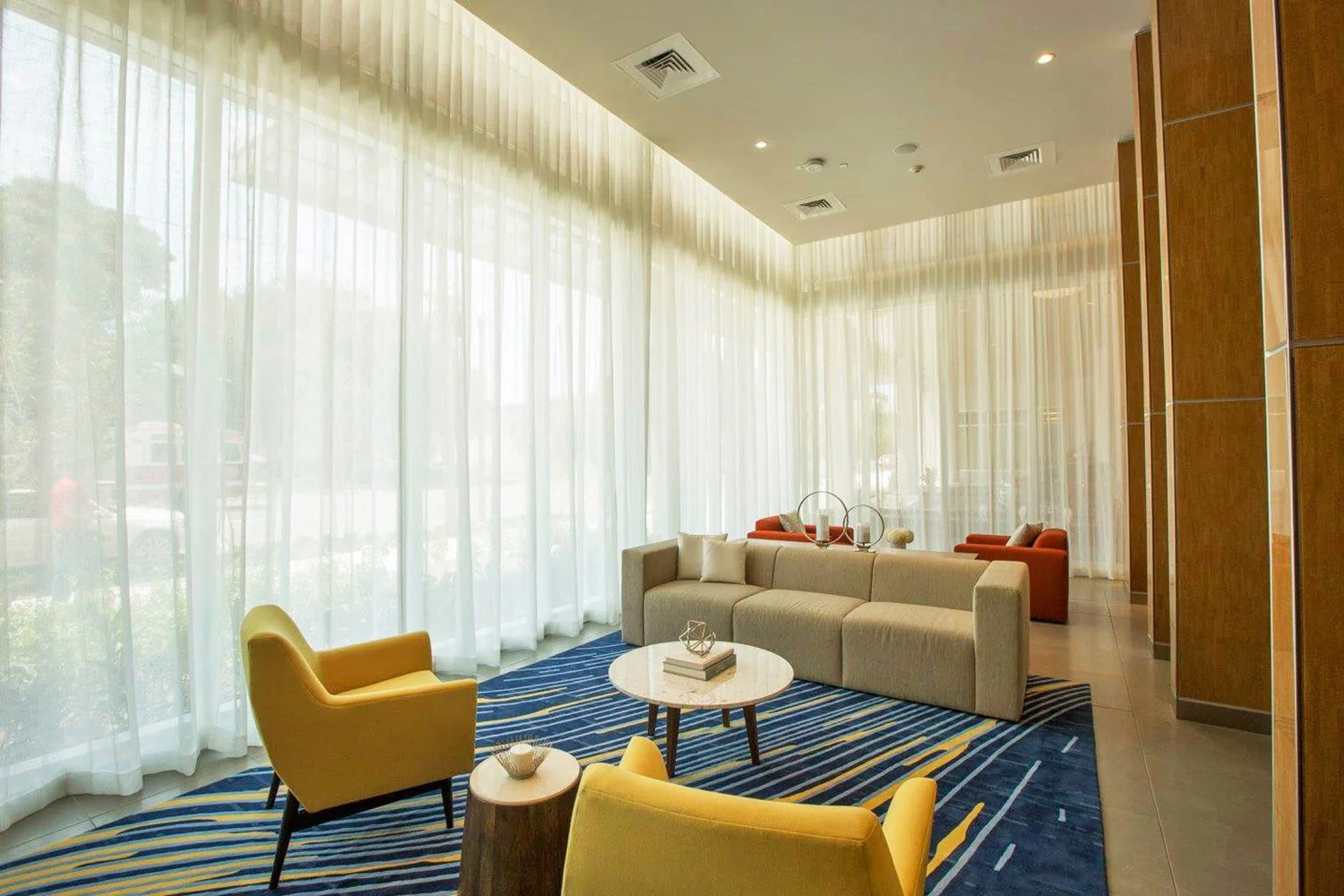
Performance in Real-World Environments
High-traffic environments are not theoretical. They include:
Restaurant dining areascasinos or gaming environments
casinos or gaming environments
Meeting spaces and public circulation zones
Residential entryways and main living areas
In these settings, rugs are exposed to:
Continuous foot traffic
Furniture movement
Cleaning and maintenance cycles
A rug that performs well in these conditions is one that has been designed with these realities in mind.
Custom hand-tufted rugs are often used for long-term performance in high-traffic environments, particularly in lobbies, lounges, and feature areas where both durability and design flexibility are required.
Why Appearance Retention Matters
Durability is not just about how long a rug lasts. It is about how it looks over time.
In both commercial and residential settings, a rug that quickly shows wear can make the entire space feel tired.
Appearance retention depends on:
Construction stability
Fiber resilience
Density
Pattern and color variation can also influence how well a rug visually conceals traffic patterns and wear over time. When these factors are aligned, the rug maintains its visual integrity even under heavy use.
Maintenance and Its Role in Longevity
Even the most durable rug requires proper care.
Regular maintenance:
Removes abrasive debris
Preserves fiber structure
Extends the life of the rug
In commercial environments, this often means scheduled cleaning programs. In residential settings, it comes down to consistency.
Durability and maintenance work together. One does not replace the other.
FAQs
-
Durability depends on a combination of construction, fiber selection, density, and backing. Rugs designed for high-traffic use are built to maintain structure, resist wear, and retain their appearance over time.
-
Not necessarily. While weight can indicate density, durability depends more on how the rug is constructed and how the fibers are supported within the structure.
-
Wool and high-performance synthetic fibers are commonly used because they resist wear and recover well from compression. The overall construction of the rug is just as important as the fiber itself.
-
Yes. Rugs are frequently used in hospitality and commercial environments, particularly in lobbies, lounges, and feature areas. Performance depends on selecting the right construction and materials for the space.
-
Consistent maintenance, proper cleaning, and selecting a rug designed for the level of traffic are the most effective ways to extend lifespan.
Final Thoughts
Durability is not a single feature. It is the result of how a rug is designed and constructed.
In high-traffic environments, the difference between a rug that performs and one that doesn’t is often invisible at first. Over time, it becomes obvious.
By understanding the factors that influence durability, designers and project teams can make more informed decisions and create spaces that hold up as well as they look.
Explore rug construction and see how performance translates into real-world applications.

Royal American Carpets designs and manufactures custom high-end carpets and rugs for hotels, clubs, residences, and beyond. Crafted to last, built to impress.
SECTORS SERVED: