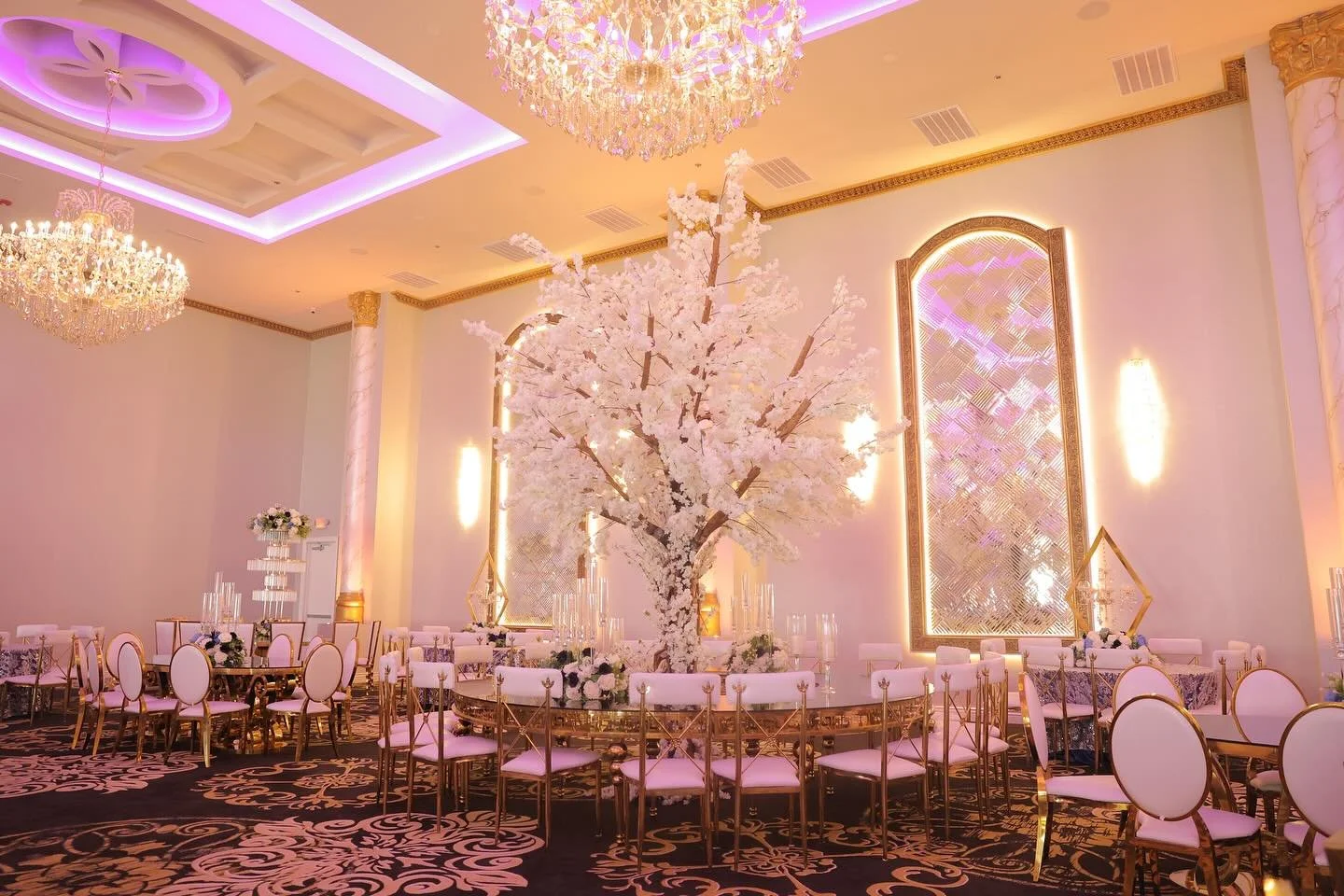
Every Great Carpet Starts Somewhere
Before a custom carpet is installed in a hotel lobby, convention center, ballroom, museum, or luxury residence, it often begins as something much smaller.
A sketch.
A watercolor.
A piece of digital artwork.
Sometimes it starts with a logo, an architectural detail, or even a photograph that captures the feeling a designer wants guests to experience.
The challenge is not creating the artwork itself. The challenge is translating that artwork into a textile that may ultimately cover thousands of square feet while maintaining its visual impact.
That process requires a balance of design, engineering, and experience.
Why Designing for Flooring Is Different Than Designing for Print
Artwork created for paper, screens, and signage behaves very differently when applied to flooring.
Large public environments introduce variables that traditional graphic design rarely encounters.
A flooring design must account for:
Scale
Viewing distance
Pattern repetition
Traffic flow
Maintenance considerations
Architectural context
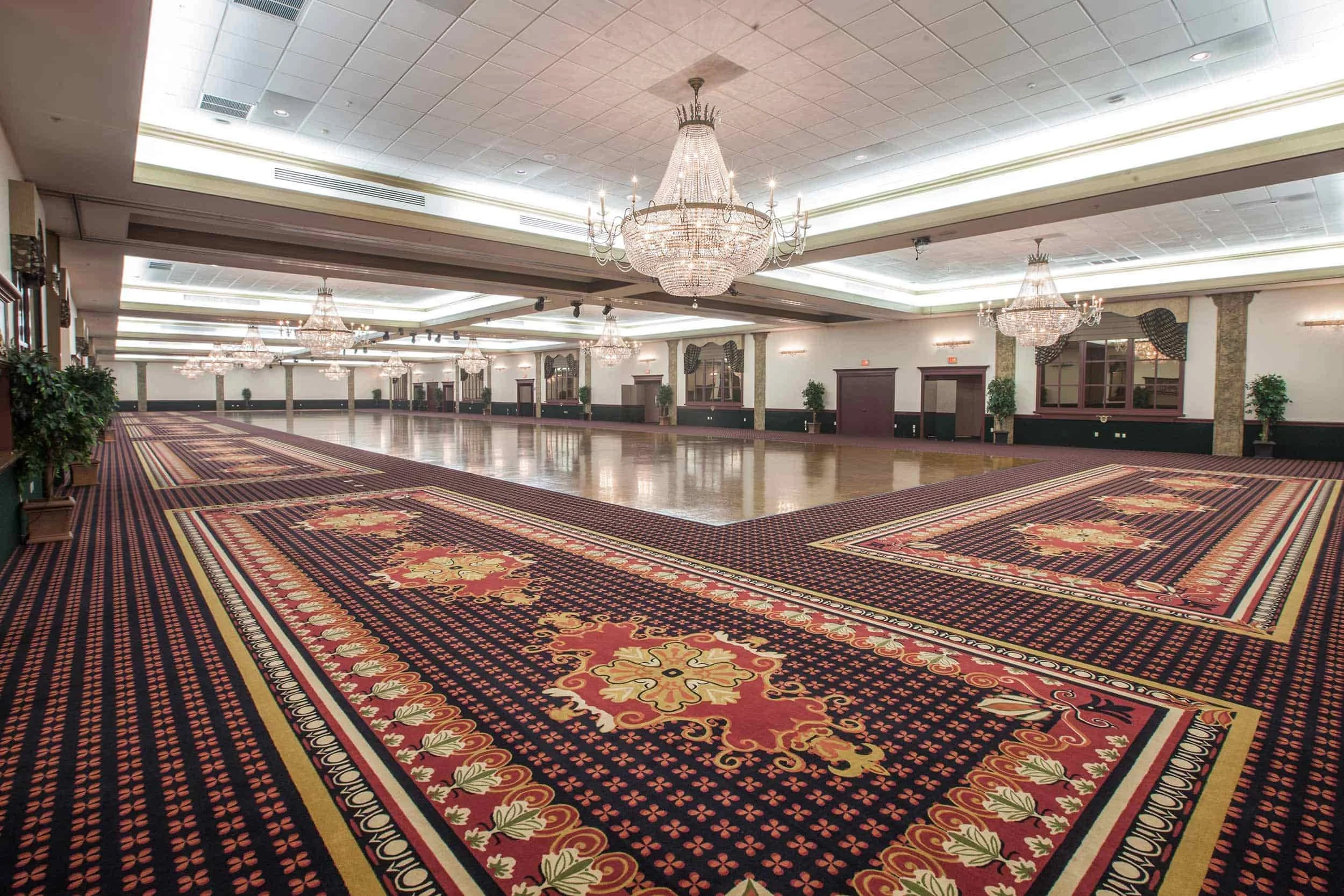
A pattern that looks perfect on an 11-inch screen may feel completely different when installed across a 5,000-square-foot ballroom.
This is why successful textile design begins by understanding how people will actually experience the space.
The Importance of Scale in Large Public Environments
One of the first considerations in translating artwork to carpet or rugs is scale.
Large public environments such as:
Hotel lobbies
Convention centers
Museums
Ballrooms
Event venues
often feature expansive floor areas and long sightlines.
Designs that are too small can disappear within the environment. Designs that are too large can overwhelm the architecture.
Finding the right balance and optimal pattern scaling requires evaluating how artwork interacts with the dimensions of the space itself.
This is one reason designers frequently review renderings, scaled layouts, and full-room visualizations before finalizing a pattern.
Simplifying Complexity Without Losing Character
Not every artistic element translates directly into textile construction.
Extremely fine details, tiny gradients, and intricate line work may need adjustment when converted into a woven or hand-crafted flooring design.
The goal is not to copy artwork exactly.
The goal is to preserve the essence of the artwork while adapting it to the realities of flooring production and long-term performance.
When done correctly, guests experience the design exactly as intended, even if they never realize how much refinement occurred behind the scenes.
Color Translation Matters More Than Most People Realize
Color often behaves differently across materials.
A shade that appears vibrant on a screen may look different when interpreted through textile fibers.
Lighting conditions also influence perception.
Natural daylight, decorative lighting, and large open interiors can all affect how colors are experienced within a space.
Because of this, color development is often one of the most important stages of the custom flooring process.
The objective is consistency, not simply replication.
Designing for Movement and Traffic Flow
Unlike artwork displayed on a wall, flooring is experienced while moving through a space.
Guests rarely stand in one place and study a carpet pattern.
Instead, they walk through it.
This changes how artwork is perceived.
Successful flooring designs often incorporate movement, rhythm, and visual flow that support the circulation patterns of the environment.
In high-traffic public spaces, the flooring becomes part of the overall guest journey rather than a static design element.
How Different Textile Constructions Interpret Artwork
Different flooring constructions offer different design capabilities.
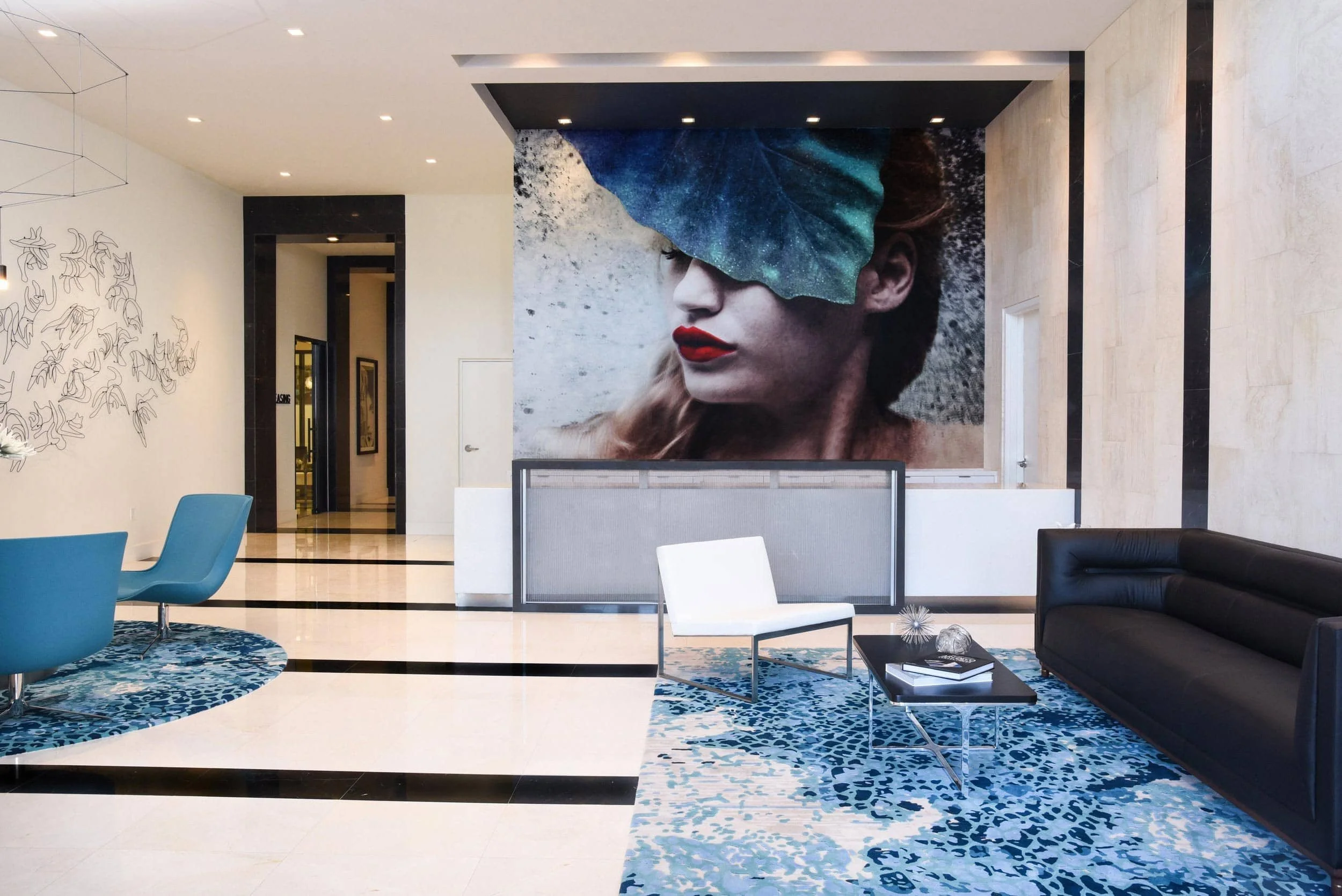
Woven Axminster carpet is often selected for large hospitality and commercial environments because it supports highly customized patterns, extensive color variation, and large-scale design continuity.
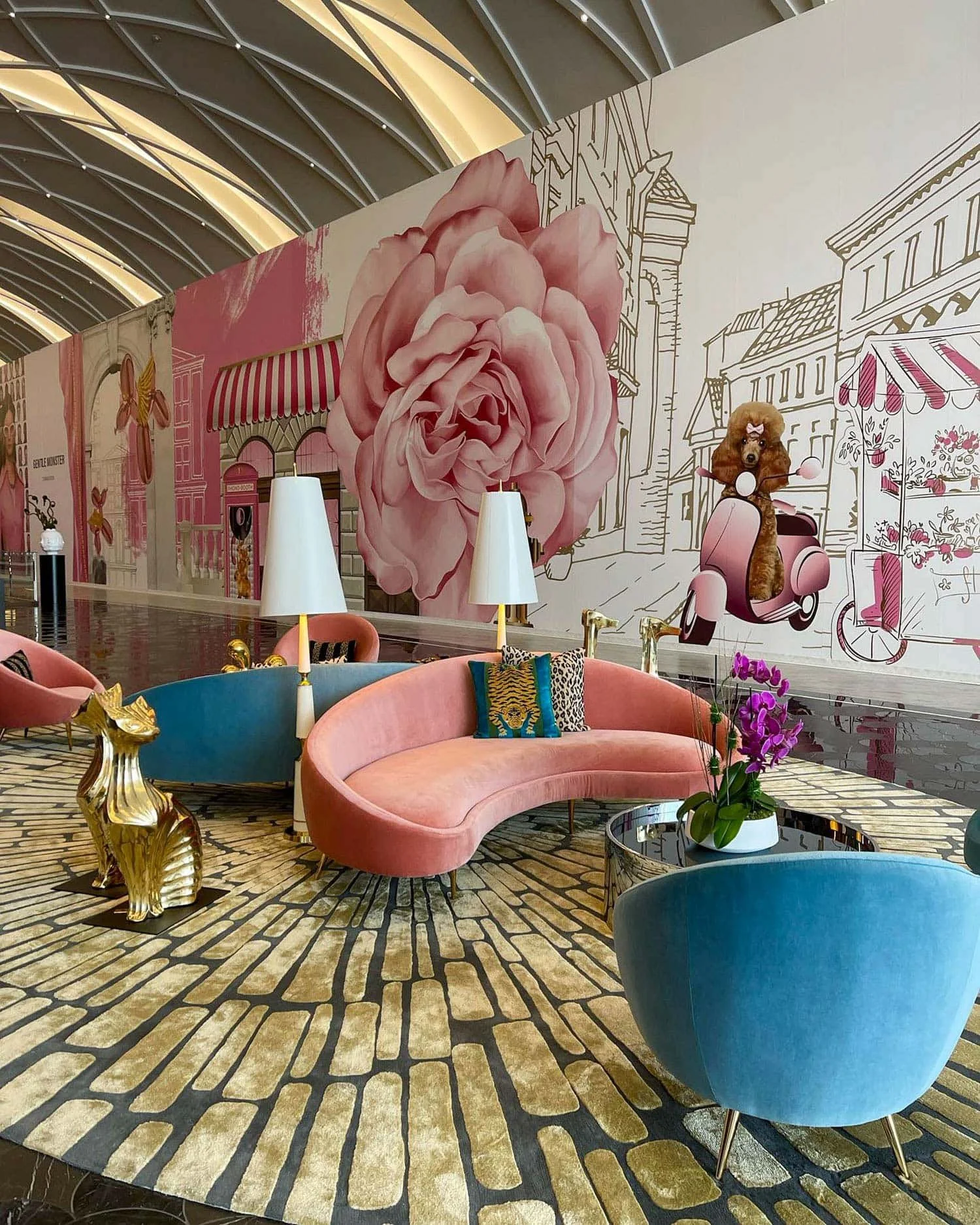
Custom hand-tufted rugs are frequently used in lounges, gathering spaces, clubhouses, luxury residences, and feature areas where unique artistic expression and visual impact are priorities.
The appropriate construction depends on the goals of the project, the scale of the design, and the performance requirements of the environment.
Why Public Spaces Require a Different Design Mindset
Public environments are rarely designed around a single viewpoint.
A museum visitor may experience a flooring design differently than a guest entering a ballroom or a resident walking through a condominium lobby.
Because of this, designers often evaluate:
Multiple viewing angles
Traffic patterns
Lighting conditions
Furniture layouts
Architectural features
The most successful flooring designs feel integrated into the environment rather than simply placed within it.
Where Custom Artwork Is Most Commonly Used
Custom flooring artwork is often specified for the following hospitality and commercial installations:
Hotel lobbies
Ballrooms
Convention centers
Museums
Corporate headquarters
Condominium common areas
Private clubs
Luxury residences
In each environment, the objective is the same: create a custom design that feels unique to the space while supporting long-term functionality.
FAQs
-
Yes. Original artwork, sketches, branding elements, photographs, and digital designs can all serve as inspiration for custom carpet and rug patterns.
-
Often, yes. Artwork is typically refined to account for scale, construction methods, color translation, and long-term performance requirements.
-
Absolutely. Custom flooring is commonly used in ballrooms, convention centers, museums, hotels, and other large public environments where unique design expression is desired.
-
The ideal construction depends on the project. Woven Axminster carpet and custom hand-tufted rugs are both frequently used for highly customized flooring applications.
-
Because flooring is viewed across large areas and from multiple distances. Proper scaling helps maintain visual impact and ensures the design works within the architecture of the space.
Final Thoughts
Hotels may have helped establish Axminster's reputation, but they are far from the only environment where it excels.
Across convention centers, museums, restaurants, condominiums, ballrooms, corporate interiors, and event venues, woven Axminster continues to deliver a rare combination of durability, customization, and design flexibility.
For commercial environments where flooring must perform as well as it looks, Axminster remains one of the most versatile solutions available.
Explore how custom flooring concepts become finished installations in hospitality and commercial environments.

Royal American Carpets designs and manufactures custom high-end carpets and rugs for hotels, clubs, residences, and beyond. Crafted to last, built to impress.
SECTORS SERVED: