Understanding Two Leading Carpet Constructions in Commercial Design
In commercial interiors, especially in hospitality and high-traffic environments, carpet selection is rarely just about appearance. Construction plays a major role in how a product performs, how long it lasts, and how well it holds its design over time.
Two of the most widely specified options are woven Axminster carpet and hand-tufted carpet. Both offer customization and visual flexibility, but they are built very differently and serve different purposes depending on the space.
Understanding those differences helps designers and project teams make more informed decisions.
How Axminster and Hand-Tufted Carpet Are Constructed
The fundamental difference starts with how each carpet is made.
Axminster carpet is woven, a method traditionally used for high-performance commercial installations. Yarn is interlaced during the manufacturing process to create both the structure and the pattern at the same time. This results in a dense, highly stable construction where the design is fully integrated into the carpet.
Hand-tufted carpet is produced by inserting yarn into a backing material using a tufting tool. The design is created through the placement of yarns rather than being woven into the structure. A secondary backing is then applied to hold everything in place.
Both methods allow for custom designs, but the structural differences have a direct impact on performance.
Performance in High-Traffic Commercial and Hospitality Environments
In spaces like hotel corridors, ballrooms, and large public areas, durability is a primary concern.
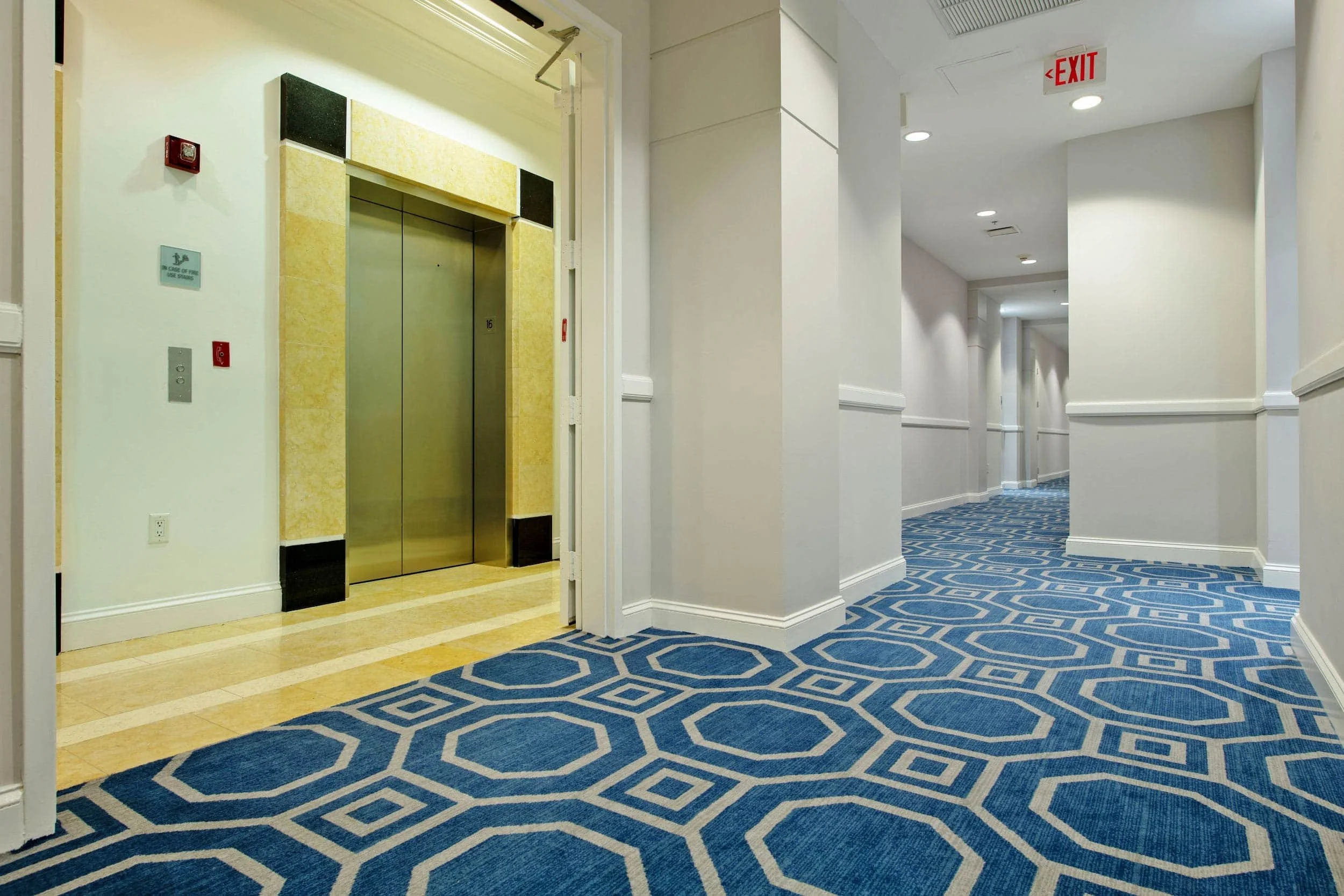
Axminster is designed for these conditions. Its woven construction provides strong resistance to crushing, matting, and pattern distortion. This makes it particularly well suited for environments with continuous foot traffic and rolling loads. Woven Axminster is commonly used in hotel corridors, ballrooms, and other high-traffic hospitality areas where durability and long-term appearance are critical.
Hand-tufted carpet performs well in many commercial applications, but it is generally better suited for areas with moderate traffic or where a softer, more textured surface is desired. Over time, in very high-traffic zones, it may show wear sooner than a woven product.
For projects where long-term performance is critical, construction becomes a deciding factor.
Design Capabilities and Visual Impact
Both Axminster and hand-tufted carpets offer a high degree of design flexibility, but they achieve it in different ways.
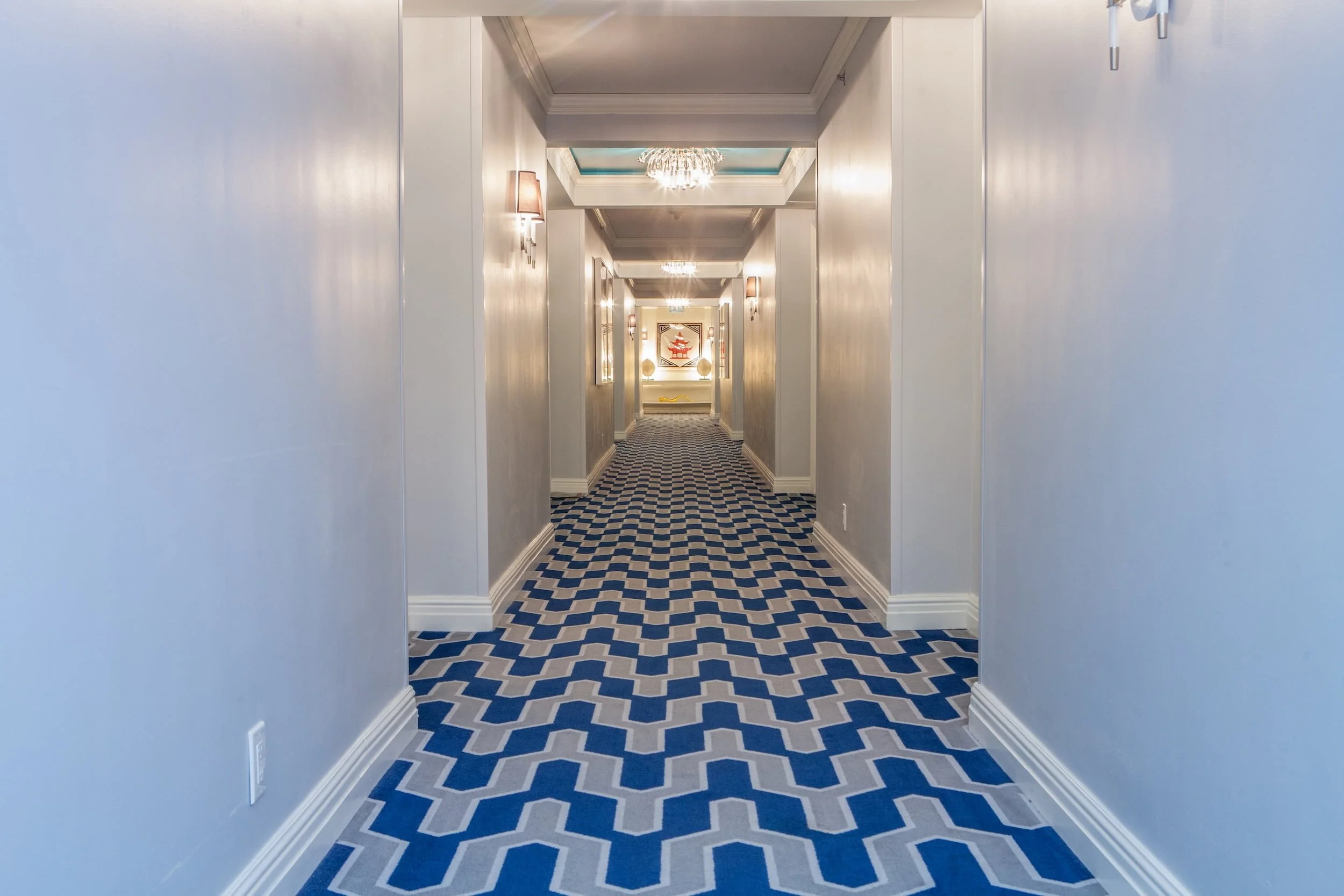
Axminster allows for precise, repeatable patterns with excellent clarity. Because the design is woven into the structure, it maintains its definition even as the carpet ages. This makes it a strong choice for large-scale patterns and branded environments.
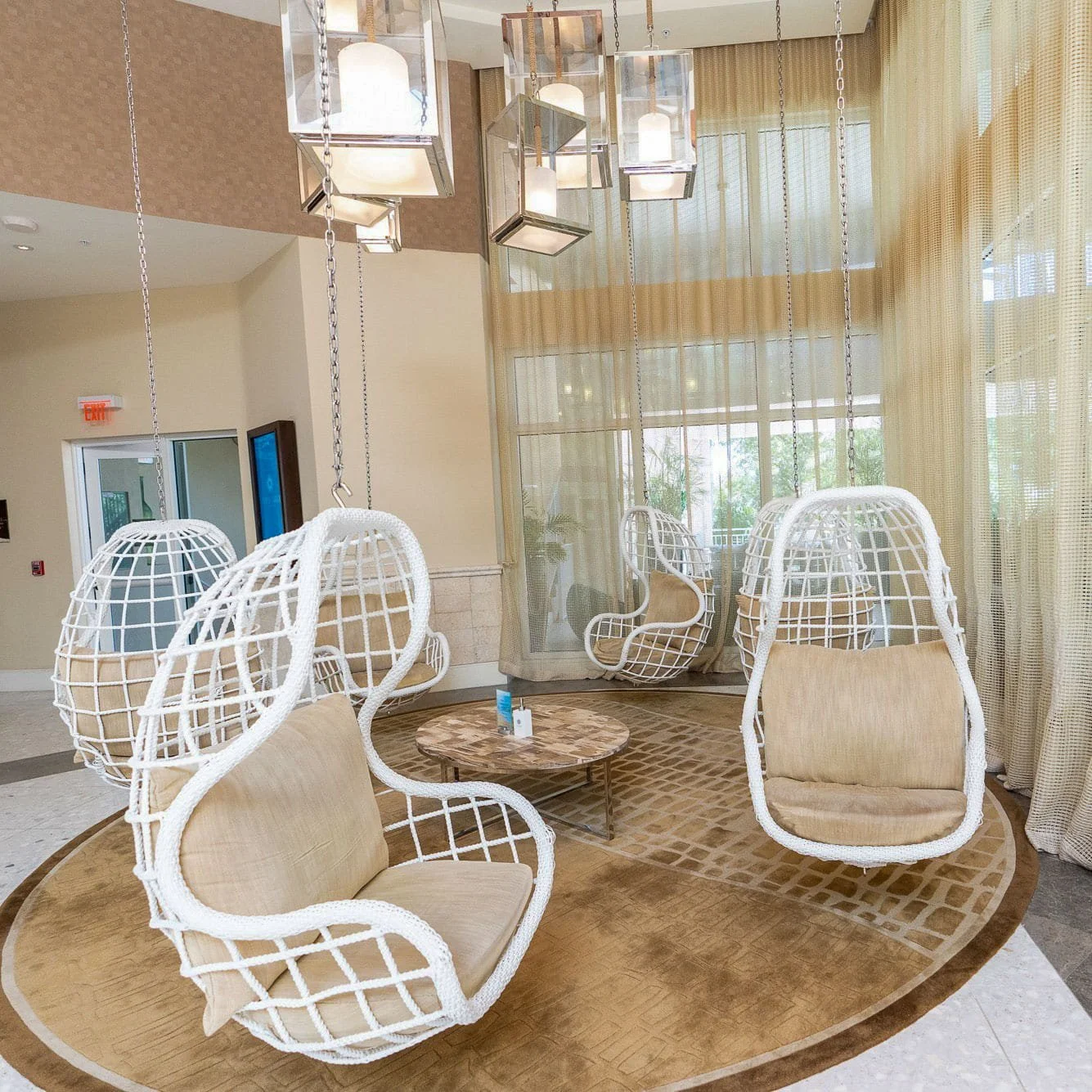
Hand-tufted carpet offers a different kind of design appeal. It can achieve rich textures, sculpted effects, and a softer, more dimensional look. This makes it popular for feature areas, custom area rugs, and spaces where tactile quality is part of the design intent.
The choice often comes down to whether the priority is long-term pattern consistency or texture and visual depth.
Where Each Carpet Type Is Typically Used
In commercial and hospitality settings, each construction tends to be used in specific areas.
Axminster is most commonly specified for:
Hotel corridors
Ballrooms and meeting spaces
Casinos and large public areas
Hand-tufted carpet is often used for:
Custom area rugs in lobbies and suites
Feature areas within hospitality spaces
Select commercial environments with moderate traffic
This division is not absolute, but it reflects how each product performs in real-world applications.
Long-Term Value and Lifecycle Considerations
Initial cost is only one part of the equation in commercial projects. Lifecycle performance is often more important.
Axminster typically carries a higher upfront cost, but it is designed to maintain its appearance and structure over a longer period. In high-traffic environments, this can reduce replacement frequency and minimize disruption.
Hand-tufted carpet can be a strong value in the right application, particularly where traffic levels are lower or where design flexibility is the primary goal. In these settings, it offers a balance of customization and cost efficiency.
Evaluating both options through the lens of lifecycle performance helps align the product with the intended use of the space.
Why Designers Specify One Over the Other
For designers and specifiers, the decision is rarely about one product being universally better. It is about selecting the right construction for the environment.
Axminster is often specified when:
Durability is critical
The space experiences constant traffic
Pattern clarity must be maintained over time
Hand-tufted carpet is often chosen when:
Texture and softness are a priority
The installation is more decorative or localized
The environment allows for lower wear expectations
Understanding these distinctions allows for more strategic material selection across a project.
FAQs
-
The primary difference is construction. Axminster is woven, with yarn integrated into the structure, while hand-tufted carpet is created by inserting yarn into a backing material. This affects durability, pattern clarity, and long-term performance.
-
Axminster carpet is generally better suited for high-traffic environments such as hotel corridors and public spaces due to its durability and resistance to wear.
-
Yes. Hand-tufted carpet is commonly used in commercial settings, particularly for custom area rugs and feature areas where traffic levels are moderate and design flexibility is important.
-
In many cases, yes. When considering lifespan, maintenance, and replacement cycles, Axminster often provides better long-term value than lower-cost alternatives.
-
Yes. One of its key advantages is the ability to create fully custom patterns and color combinations tailored to a specific property or brand identity.
Final Thoughts
Both Axminster and hand-tufted carpets play important roles in commercial design. The key is understanding where each performs best.
In high-traffic hospitality environments, woven Axminster offers durability and long-term consistency. In more controlled or design-focused applications, hand-tufted carpet provides flexibility and texture.
When selected strategically, both can contribute to a well-executed interior that balances performance and design.
See how these materials are used in real hospitality environments.
For a deeper look at construction, performance, and customization options, explore each carpet type below.

Royal American Carpets designs and manufactures custom high-end carpets and rugs for hotels, clubs, residences, and beyond. Crafted to last, built to impress.
SECTORS SERVED: